Vitamins for Women vs Men – What’s Actually Different?
Most people treat vitamins like a generic solution—pick one product and assume it works for everyone. That’s fundamentally wrong. Men and women have different biological structures, hormonal patterns, and nutritional requirements. Ignoring these differences leads to poor results and wasted money.
If you’re trying to choose the best vitamins for women, good vitamins for men, you need to stop thinking in general terms and start understanding what actually separates these two categories.
Why Gender-Specific Vitamins Matter
The human body doesn’t operate on a universal template. Hormones, metabolism, and physiological functions differ significantly between men and women.
- Women experience hormonal fluctuations due to menstrual cycles
- Men generally have higher muscle mass and metabolic demands
- Nutrient absorption and requirements vary by gender
A generic multivitamin may cover basic needs, but it won’t optimise health. That’s why targeted supplementation matters.
Best Vitamins for Women: What the Body Actually Needs
Women require specific nutrients that support hormonal balance, bone health, and overall vitality. A poorly formulated supplement won’t address these needs.
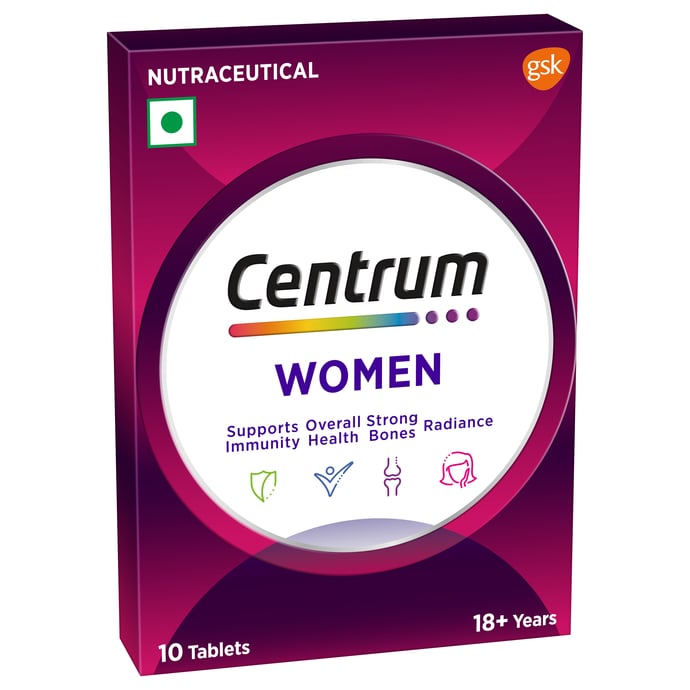
Essential Nutrients for Women
- Iron: Critical due to menstrual blood loss. Deficiency leads to fatigue and weakness
- Calcium & Vitamin D: Necessary for maintaining bone density and preventing long-term issues
- Folic Acid: Supports cell growth and reproductive health
- Biotin & Antioxidants: Help improve skin, hair, and nail quality
Common Health Issues in Women
Many women deal with:
- Low energy levels
- Hair fall and weak nails
- Vitamin D deficiency
- Reduced immunity
This is why choosing the best vitamins for women, good vitamins for men, is not just a marketing concept—it’s a practical requirement.
Good Vitamins for Men: What Should Be Prioritised?
Men’s nutritional needs focus more on performance, recovery, and long-term health maintenance.
Key Nutrients for Men
- Vitamin B Complex: Supports energy production and brain function
- Vitamin D: Plays a role in bone health and hormone balance
- Magnesium: Helps with muscle function and stress management
- Zinc: Supports immunity and testosterone levels
- Antioxidants: Reduce oxidative stress from daily lifestyle pressures
Common Health Challenges in Men
- Persistent fatigue
- High stress levels
- Reduced focus and productivity
- Poor dietary habits
A properly designed multivitamin helps manage these issues effectively.
Key Differences You Cannot Ignore.
Understanding the best vitamins for women and good vitamins for men requires recognising the core differences:
- Women need higher iron and calcium intake
- Men require more nutrients for muscle and metabolic support
- Hormonal requirements are entirely different
- Lifestyle impact varies between genders
If you’re taking the same supplement regardless of these factors, you’re not optimising anything.
What Makes a Multivitamin Effective
The supplement market is crowded with products that look impressive but fail in reality. Here’s what actually matters:
- Complete Nutrient Profile
A proper multivitamin should include all essential vitamins and minerals—not just a few highlighted ones.
- Correct Dosage
Underdosed nutrients are useless. If the quantity is too low, it won’t have any real impact.
- Bioavailability
The form of nutrients determines absorption. Better forms lead to better results.
- Clean Formulation
Avoid unnecessary fillers, artificial colours, and additives.
Tablets vs Chewables: Which Is Better?
This is where most people get confused.
- Tablets: Higher nutrient density, better for long-term supplementation
- Chewables: Easier to consume, but often contain sugar and lower doses
If you’re looking for the best chewable multivitamin for women, you need to be careful. Most chewables prioritise taste over effectiveness. Always check the ingredient list before choosing convenience.
Benefits of Choosing the Right Vitamins
When you select the right supplement based on your needs, the benefits are clear:
For Women
- Improved energy and reduced fatigue
- Better hormonal balance
- Stronger bones and improved immunity
- Healthier skin, hair, and nails
For Men
- Increased energy levels
- Better stress management
- Improved muscle function
- Enhanced overall performance
But here’s the reality—none of this happens if you take supplements randomly or inconsistently.
Common Mistakes People Keep Making
Let’s call out the obvious problems:
- Choosing supplements based on brand hype
- Ignoring ingredient labels completely
- Expecting instant results
- Taking the same product regardless of gender
If you’re doing this, you’re not improving your health—you’re guessing.
How to Choose the Right Multivitamin
Here’s a straightforward approach:
- Identify your specific needs (male or female)
- Check for complete nutrient coverage
- Verify dosage levels carefully
- Avoid low-quality or sugar-loaded products
- Stay consistent with daily intake
Consistency is what drives results—not switching products every week.
Lifestyle Still Matters
Supplements are not a replacement for discipline. You still need:
- A balanced diet
- Proper sleep
- Regular physical activity
- Stress management
Ignoring these and relying only on vitamins is a flawed strategy.
Conclusion
Understanding the difference between vitamins for men and women is not optional—it’s essential if you want real results. The idea of the best vitamins for women, good vitamins for men, should guide your decision-making, not confuse it.
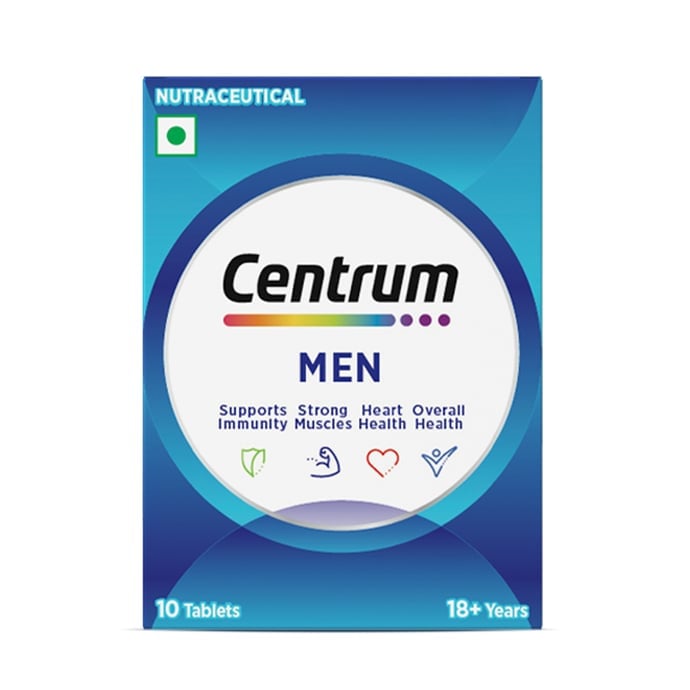
A well-formulated supplement, combined with a disciplined lifestyle, can significantly improve your overall health. Trusted brands like Centrum offer balanced formulations designed for different needs, making them a reliable option for daily use.
Bottom line: stop treating all vitamins the same. If you’re not choosing based on your body’s actual requirements, you’re wasting both time and money.
Report Story


Recent Comments