Rolling Resistance and Tyre Longevity: How Long Do Car Tyres Last?
Two of the most common questions among car owners are: how long do car tyres last, and how does rolling resistance affect both tyre performance and fuel economy? These two topics are deeply connected. Understanding rolling resistance helps you make smarter choices when buying tyres, driving, and maintaining your vehicle. This article provides a detailed guide on both topics.
What Is Rolling Resistance?
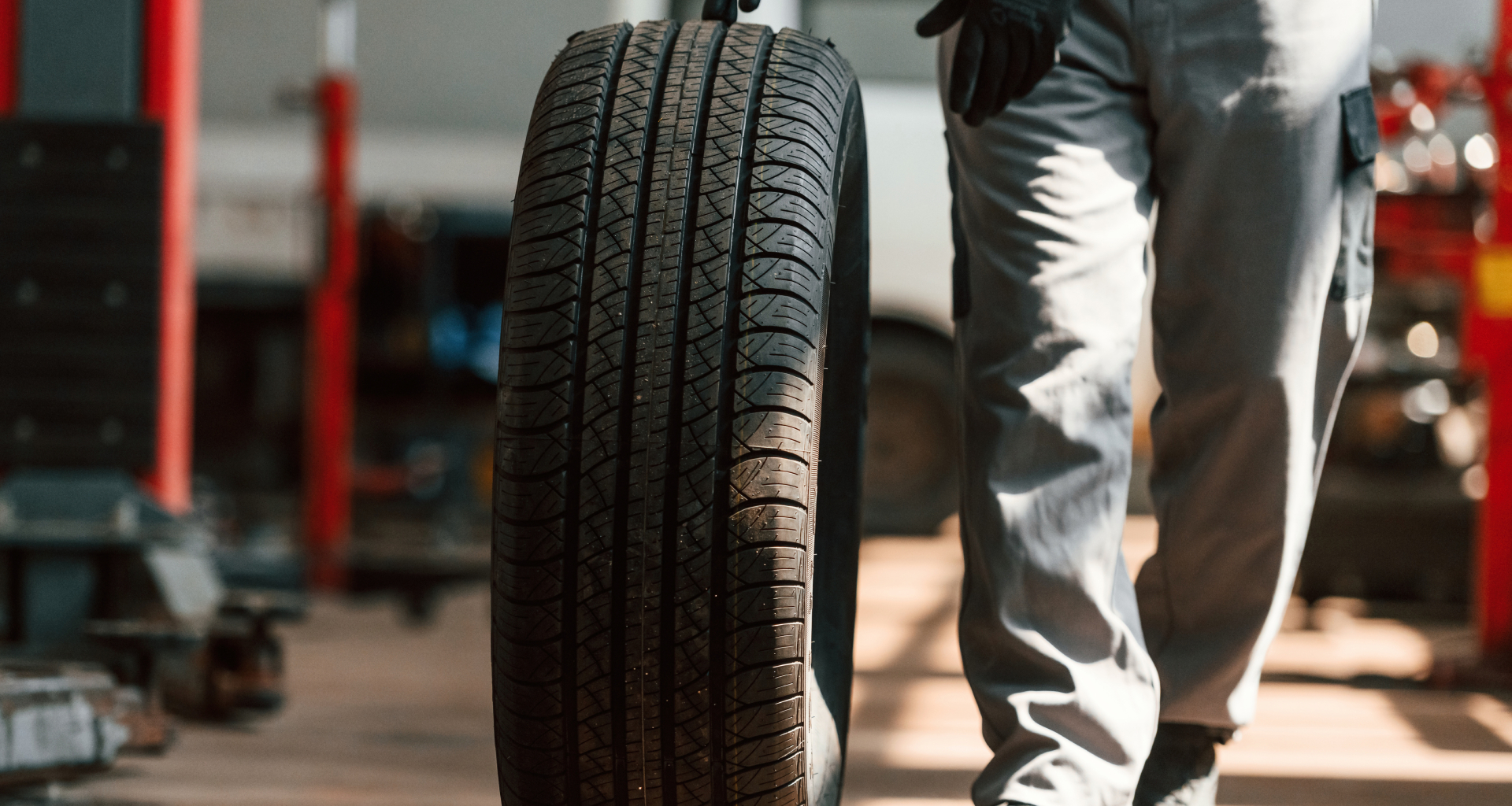
Rolling resistance refers to the energy lost when a tyre rolls on a surface. As a tyre rolls forward, it constantly deforms at the contact patch (the part of the tyre touching the road), and as it moves away from the road, it tries to return to its original shape. This continuous cycle of deformation and recovery consumes energy, which is what we call rolling resistance. The higher the rolling resistance, the more fuel your engine burns to maintain speed.
Why Does Rolling Resistance Matter?
Understanding rolling resistance is important for several key reasons:
- Fuel Economy: Tyres with high rolling resistance make the engine work harder, resulting in greater fuel consumption. It is estimated that rolling resistance accounts for approximately 20 to 30 percent of total vehicle fuel consumption.
- Environmental Impact: Lower rolling resistance translates to lower CO2 emissions, making your vehicle more environmentally friendly.
- Tyre Wear: Excessive rolling resistance can also contribute to uneven tyre wear, which shortens tyre lifespan and raises the question of how long do car tyres last.
- Driving Comfort: Tyres engineered to reduce rolling resistance often offer a quieter and smoother ride as well.
Factors Affecting Rolling Resistance
Tyre Pressure
Underinflated tyres have significantly higher rolling resistance than properly inflated ones. When a tyre is low on air, more of the tyre contacts the road and more energy is lost to heat. Always maintain the correct tyre pressure as recommended by your vehicle manufacturer.
Tyre Compound
The rubber compound used in tyre manufacturing greatly influences rolling resistance. Silica-based compounds, which are now used in many premium tyres, generally offer lower rolling resistance compared to older carbon-black compounds, without compromising wet grip.
Tyre Width and Profile
Wider tyres typically have a larger contact patch and can produce more rolling resistance. Low-profile tyres with stiffer sidewalls may reduce energy loss but can compromise ride comfort. Finding the right balance depends on your vehicle type and driving needs.
Road Surface
Smooth tarmac generates less rolling resistance than rough or uneven roads. In India, where road conditions vary significantly, this is a particularly relevant factor for everyday drivers.
How Long Do Car Tyres Last?
Now that we understand rolling resistance, let us address the second major question: how long do car tyres last? The answer depends on several variables.
Average Tyre Lifespan
Under normal driving conditions in India, car tyres typically last between 40,000 and 60,000 kilometres. However, certain high-performance and long-mileage tyres can last up to 80,000 to 100,000 kilometres. For example, Apollo Tyres’ Amazer 4G Life is marketed as a tyre that can run up to one lakh (100,000) kilometres.
Factors That Determine How Long Car Tyres Last
- Driving Habits: Aggressive acceleration, hard braking, and high-speed cornering all accelerate tyre wear.
- Rolling Resistance: As mentioned earlier, tyres with high rolling resistance experience more heat build-up, which can degrade the rubber compound faster.
- Road Conditions: Rough roads, potholes, and sharp debris accelerate tyre wear.
- Wheel Alignment and Balancing: Misaligned wheels cause uneven tyre wear, significantly reducing how long car tyres last.
- Tyre Rotation: Regular rotation ensures even wear across all four tyres.
- Tyre Quality: Premium tyres from reputable brands are engineered to last longer and perform better.
Signs That Your Tyres Need Replacing
Regardless of mileage, keep an eye out for these warning signs:
- Tread depth below 1.6 mm (the legal minimum in India).
- Cracks, bulges, or cuts on the sidewall.
- Vibrations while driving, even after wheel balancing.
- Persistent loss of air pressure.
- Tyres older than 5 to 6 years, regardless of tread depth.
How to Reduce Rolling Resistance and Extend Tyre Life
Here are practical steps to reduce rolling resistance and improve how long your car tyres last:
- Maintain correct tyre inflation at all times.
- Choose tyres with an energy-efficient rating. Many modern tyres display rolling resistance grades.
- Practise smooth driving: gradual acceleration, gentle braking, and steady speeds.
- Have your wheels aligned and balanced regularly.
- Rotate your tyres every 8,000 to 10,000 km.
Choosing the Right Tyre for Your Needs
When shopping for new tyres, always check the tyre label for rolling resistance ratings along with wet grip and noise levels. Apollo Tyres offers a wide range of fuel-efficient tyres that are specifically designed for Indian road conditions. Their car and SUV tyre range includes options with low rolling resistance compounds that help save fuel without compromising safety.
Conclusion
Rolling resistance is a fundamental tyre property that directly affects your fuel costs, driving experience, and how long car tyres last. By choosing the right tyres, maintaining correct pressure, and practising mindful driving, you can significantly reduce rolling resistance and get the most out of every set of tyres. Make informed choices and your tyres will serve you safely and economically for years to come.
Report StoryPopular Stories
-
2 BHK Flat For Sale In Bhubaneswar motwaniconstructions.com
-

How to Use Velki Official Platform for Safe Betting?
-

Digital Marketing Company In Navi Mumbai: Helping Businesses Grow Online
-

Spain’s Hidden Small Cities: Discover Authentic Charm Beyond the Famous...
-
ENT Specialist Hospital in Delhi: Advanced Care for Ear, Nose...
Trending Stories
-
2 BHK Flat For Sale In Bhubaneswar motwaniconstructions.com
-
How to Use Velki Official Platform for Safe Betting?
-
Digital Marketing Company In Navi Mumbai: Helping Businesses Grow Online
-
Spain’s Hidden Small Cities: Discover Authentic Charm Beyond the Famous...
-
ENT Specialist Hospital in Delhi: Advanced Care for Ear, Nose...
Recent Comments