Is Laser Liposuction Safe? Techniques, Benefits, and Results
Laser liposuction has become a popular option for people who want to reduce stubborn pockets of fat and improve body contours. Unlike traditional liposuction, this minimally invasive technique uses laser energy to target and break down fat cells before they are removed from the body. The technology may also help stimulate collagen production, which can contribute to a smoother and firmer-looking treatment area.
For many people, Laser Liposuction sounds appealing because it combines body contouring with a less invasive approach than conventional surgical liposuction. However, like any cosmetic procedure, it is important to understand how the treatment works, what results can realistically be expected, and whether it is considered safe for a particular individual.
The safety of laser liposuction generally depends on several factors, including the technology used, the treatment area, the patient’s overall health, and the experience of the qualified medical professional performing the procedure. When performed appropriately on a suitable candidate, laser liposuction can be a safe and effective method for addressing localized fat deposits.
What Is Laser Liposuction?
Laser liposuction is a body-contouring procedure that uses focused laser energy to heat and disrupt unwanted fat cells. During the treatment, a very small incision is typically made in the target area. A thin laser fiber is then inserted beneath the skin, where controlled energy is delivered to the fat tissue.
The laser energy helps liquefy or soften fat cells, making them easier to remove. In some techniques, the body’s natural processes may eliminate some of the disrupted fat over time, while other approaches involve suctioning out the liquefied fat through a small cannula.
One of the features that distinguishes laser liposuction from traditional liposuction is the potential effect of heat on the surrounding tissue. Controlled thermal energy may encourage collagen remodeling, which can help improve the appearance of skin firmness in the treated area.
Laser liposuction is generally used for localized areas of fat that may not respond well to diet and exercise alone. Common treatment areas can include the abdomen, waist, thighs, arms, chin, neck, and other parts of the body where small or moderate fat deposits are present.
It is important to understand that laser liposuction is a body-contouring procedure rather than a primary weight-loss treatment. It is usually intended for individuals who are relatively close to their healthy weight but have specific areas of stubborn fat they would like to improve.
Is Laser Liposuction Safe?
For appropriately selected candidates, laser liposuction is generally considered a safe procedure when performed by a properly trained and qualified medical professional using suitable equipment and appropriate safety protocols. However, no medical or cosmetic procedure is completely free of risk.
Because laser liposuction involves a small incision and the insertion of instruments beneath the skin, it is considered minimally invasive rather than completely non-invasive. Patients may experience temporary swelling, bruising, tenderness, redness, or numbness in the treated area. These effects typically improve as the body heals.
Less common complications may include infection, burns, changes in skin sensation, uneven contours, prolonged swelling, scarring, or fluid accumulation. In rare cases, more serious complications can occur, particularly when procedures are performed by unqualified practitioners or when safety standards are not followed.
The use of laser energy requires careful control of temperature and treatment depth. Excessive heat can potentially damage the skin or surrounding tissues. This is one reason why choosing a qualified practitioner with appropriate training and experience is an important part of reducing risk.
Before undergoing treatment, a patient should receive a detailed assessment. Medical history, current medications, allergies, previous procedures, and general health should all be considered. A responsible consultation also helps determine whether laser liposuction is appropriate or whether another treatment would be more suitable.
How Does Laser Liposuction Work?
The exact technique can vary depending on the technology and treatment plan, but the general process follows several steps.
First, the treatment area is assessed and marked. The patient is then prepared using appropriate anesthesia, which may involve local anesthesia for smaller treatment areas. In some cases, additional medication may be used to improve comfort.
A small incision is made, allowing a thin laser fiber to be placed under the skin. The laser delivers controlled energy to the targeted fat tissue. This energy helps break down or liquefy fat cells, which can then be removed through gentle suction when necessary.
The heat generated by the laser may also have an effect on collagen fibers in the skin. As healing progresses, collagen remodeling can potentially contribute to a firmer and more refined appearance.
The duration of treatment depends on the number and size of the areas being treated. Smaller areas may require less time, while larger or multiple treatment zones can take longer.
There are different forms of laser-assisted liposuction technology, and the specific wavelength, device, and technique can vary. Patients should ask which technology is being used and why it is considered appropriate for their individual goals.
What Are the Benefits of Laser Liposuction?
One of the main reasons people consider laser liposuction is its ability to target localized fat while using a minimally invasive approach. However, the benefits can extend beyond fat reduction.
Targeted Fat Reduction
Laser liposuction can be used to address stubborn fat deposits in specific areas. This can be helpful for individuals who have areas that remain resistant to healthy eating and regular physical activity.
Potential Skin Tightening
The controlled heat from laser energy may stimulate collagen remodeling. As a result, some individuals may notice an improvement in skin firmness and smoothness following treatment. However, the degree of skin tightening varies from person to person.
Smaller Incisions
Compared with traditional liposuction techniques, laser-assisted procedures may use smaller access points. This can potentially result in less visible scarring, although individual healing and scar formation differ.
Less Invasive Approach
Laser liposuction may involve less tissue disruption than some traditional surgical techniques. Depending on the treatment area and the amount of fat being removed, this can contribute to a more manageable recovery for some patients.
Improved Body Contours
The procedure is designed to reshape specific areas rather than simply reduce overall body weight. When successful, it can create a more defined appearance in areas such as the abdomen, waist, chin, arms, or thighs.
Potentially Shorter Recovery
Because the procedure can be less invasive than traditional liposuction in certain cases, some patients may experience a shorter recovery period. The actual recovery time depends on the treatment area, the extent of fat removal, and the individual’s healing response.
What Results Can Be Expected From Laser Liposuction?
Results from laser liposuction are not always immediate. Swelling and fluid retention can temporarily hide the initial changes. As the body heals and swelling decreases, the treated area generally begins to look more defined.
Some improvements may become noticeable within the first few weeks, while the final appearance can take several months to develop. This is particularly true when collagen remodeling and skin tightening are part of the treatment’s intended benefits.
The outcome depends on several factors, including the amount of fat removed, skin elasticity, age, genetics, lifestyle habits, and the treatment technique used.
People with good skin elasticity may experience smoother-looking results because their skin can adapt more easily to the new underlying contours. Individuals with significant loose skin may not achieve the same degree of tightening from laser liposuction alone and may need to discuss alternative or additional procedures with a qualified professional.
It is also important to have realistic expectations. Laser liposuction can improve body contours, but it cannot guarantee perfect symmetry or eliminate every visible irregularity. The goal is generally to create a more balanced and proportionate appearance.
The fat cells removed during liposuction are permanently eliminated from the treated area. However, remaining fat cells in other parts of the body can still enlarge if a person gains weight. Maintaining a stable weight through balanced nutrition and regular physical activity can help preserve the results over time.
Recovery and Aftercare Following Laser Liposuction
Recovery following laser liposuction varies from one person to another. Some individuals can return to light daily activities relatively quickly, while others may need additional time before resuming their normal routine.
Temporary swelling, bruising, soreness, and numbness are common during the early recovery period. These symptoms generally improve gradually. The treated area may also feel firm or uneven temporarily as the tissues heal.
A qualified medical professional may recommend wearing a compression garment to help control swelling and support the treated tissues. Patients should follow all aftercare instructions carefully, including guidance about physical activity, wound care, and follow-up appointments.
Strenuous exercise may need to be avoided for a period of time, depending on the extent of treatment. Light movement, when approved by the treating professional, may be encouraged to support general circulation and mobility.
Patients should also understand that recovery does not necessarily end when the initial swelling disappears. The body continues to remodel tissue for weeks or months, and the final result may gradually become more apparent.
Any unusual symptoms, such as worsening pain, significant redness, persistent drainage, fever, or severe swelling, should be reported promptly to the treating medical professional.
Who Is a Good Candidate for Laser Liposuction?
Laser liposuction may be suitable for adults who are generally healthy, maintain a relatively stable weight, and have localized fat deposits that do not respond adequately to diet and exercise.
Good candidates typically have realistic expectations and understand that the procedure is intended for body contouring rather than major weight reduction.
Skin quality is also an important consideration. Individuals with relatively good skin elasticity may be more likely to achieve smooth and natural-looking contours after fat removal. Those with substantial skin laxity may require a different approach.
Laser liposuction may not be appropriate for everyone. Certain medical conditions, pregnancy, uncontrolled health problems, or medications that affect healing or bleeding may influence eligibility. A proper medical evaluation is essential before treatment.
The best way to determine suitability is through an individualized consultation with a qualified healthcare professional. During that consultation, the patient’s goals, medical history, body composition, skin quality, and treatment expectations can be reviewed.
Frequently Asked Questions About Laser Liposuction
1. Is laser liposuction safer than traditional liposuction?
Laser liposuction is considered minimally invasive and may involve smaller access points and less tissue disruption in certain cases. However, it is not automatically safer for every person. Safety depends on the patient’s health, the treatment area, the technology used, and the qualifications and experience of the practitioner. A thorough medical assessment is important before deciding which technique is most appropriate.
2. Does laser liposuction permanently remove fat?
Fat cells removed during liposuction are permanently eliminated from the treated area. However, the remaining fat cells can increase in size if a person gains weight. Maintaining a stable weight and following a healthy lifestyle can help preserve the body-contouring results.
3. How long does it take to see results after laser liposuction?
Some changes may be visible within a few weeks, but swelling can temporarily affect the appearance of the treated area. More noticeable results generally develop as healing progresses, and the final outcome may take several months to become fully apparent.
4. Can laser liposuction tighten loose skin?
Laser energy may encourage collagen remodeling and can provide some degree of skin tightening in suitable patients. However, it is not a replacement for surgery designed to remove significant excess skin. The amount of tightening varies depending on factors such as age, skin elasticity, genetics, and the amount of fat removed.
5. Is laser liposuction painful?
The procedure is typically performed with anesthesia to improve comfort. Patients may experience some pressure or sensations during treatment, followed by soreness, tenderness, or swelling during recovery. Discomfort levels vary depending on the individual and the extent of treatment.
6. Is laser liposuction a weight-loss treatment?
No. Laser liposuction is primarily a body-contouring procedure designed to reduce localized fat deposits and improve body shape. It is generally most appropriate for people who are already near a healthy weight but have specific areas of stubborn fat.
FAQs
Laser liposuction can be a useful option for individuals seeking targeted body contouring with a minimally invasive approach. Its potential benefits include localized fat reduction, smaller treatment access points, and possible improvements in skin firmness. At the same time, it is important to remember that the procedure carries potential risks and is not suitable for everyone.
The safest approach is to seek an individualized evaluation from a qualified medical professional who can assess overall health, skin elasticity, treatment goals, and expectations. Understanding the technique, recovery process, possible complications, and realistic results can help individuals make an informed decision.
Ultimately, successful laser liposuction is not just about removing fat. It is about choosing the right candidate, using an appropriate technique, following safety protocols, and maintaining realistic expectations. With proper assessment and aftercare, the procedure may help suitable individuals achieve a more defined and balanced body contour.
Read More About Laser Liposuction: https://b.cari.com.my/home.php?mod=space&uid=3172561&do=blog&quickforward=1&id=615784
Report StoryRelated Stories
-
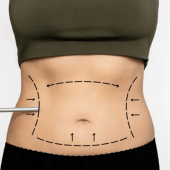
Laser Liposuction Results: When Will You See the Difference?
-
Top Benefits of Choosing Enfield Royal Clinic for Gynecomastia Surgery
-
How Does Laser Hair Removal Affect Hair Follicles?
- Premium Hotel Guest Toiletries
-
Can Laser Hair Removal Treat Hair on the Upper Lip?

-
Why Does Laser Hair Removal Require Multiple Sessions?
-
Machining Cost Formula: Estimate CNC Costs with Accuracy
-
How Many Laser Hair Removal Sessions Will You Need?

-
Identity Theft Protection Near Me for Protecting Your Personal Information

- Enterprise CRM Software Solutions
Popular Stories
-

Food Presentation Trends That Are Popular for Small Party Catering...
-
Video Production Agency: Transform Your Brand with Professional Visual Storytelling
-
Best Mobile App Development Company in USA
-
IT Consulting Companies in India | Software Consulting Services
-
Ecommerce Website Development and Design Company in India
Trending Stories
-
Food Presentation Trends That Are Popular for Small Party Catering...
-
Video Production Agency: Transform Your Brand with Professional Visual Storytelling
-
Best Mobile App Development Company in USA
-
IT Consulting Companies in India | Software Consulting Services
-
Ecommerce Website Development and Design Company in India
Recent Comments