Famous Architects in India Who Shaped Modern Design
The education sector is undergoing a profound transformation, driven by evolving teaching methods, digital integration, and the growing need for sustainable infrastructure. Modern institutions are no longer confined to traditional classrooms; instead, they are becoming dynamic environments that foster creativity, collaboration, and innovation. This shift has increased demand for expert education architecture firms to design future-ready campuses aligned with global standards.
At the same time, the influence of sustainable architecture companies is becoming increasingly evident, as educational institutions prioritize eco-friendly, energy-efficient, and resilient infrastructure.
The Changing Landscape of Educational Architecture
Education today is more interactive, technology-driven, and student-centric than ever before. Schools, colleges, and universities require spaces that support hybrid learning, research, and community engagement.
This is where education architecture firms play a crucial role. They are responsible for creating environments that not only facilitate learning but also inspire students and educators alike. From flexible classrooms to collaborative zones and digital labs, these firms are redefining how educational spaces are designed.

Key Features of Future-Ready Campuses
Modern campuses are designed with a focus on adaptability, sustainability, and user experience. Leading education architecture firms incorporate several key elements into their projects:
Flexible Learning Spaces
Traditional classrooms are being replaced with modular spaces that can be easily reconfigured. Movable furniture, open layouts, and multi-purpose areas allow institutions to adapt to different teaching styles.
Technology Integration
Digital tools are now an integral part of education. Smart boards, virtual learning environments, and advanced IT infrastructure are essential components of future-ready campuses.
Collaborative Environments
Group learning is becoming increasingly important. Architects design spaces that encourage interaction, teamwork, and knowledge sharing.
Student-Centric Design
Comfort, accessibility, and well-being are prioritized. Natural lighting, ventilation, and ergonomic design contribute to a better learning experience.
Role of Sustainable Architecture in Education
Sustainability is no longer optional—it is a necessity. The involvement of sustainable architecture companies ensures that campuses are designed with long-term environmental and economic benefits in mind.
Energy Efficiency
Use of solar panels, energy-efficient lighting, and smart climate control systems reduces operational costs and environmental impact.
Water Conservation
Rainwater harvesting and efficient plumbing systems help manage water resources effectively.
Eco-Friendly Materials
Sustainable architecture emphasizes the use of recycled and locally sourced materials.
Green Spaces
Landscaped areas, gardens, and open spaces promote well-being and environmental awareness among students.
By integrating these practices, education architecture firms create campuses that are both functional and environmentally responsible.
Emerging Trends in Educational Campus Design
The work of education architecture firms is continuously evolving to meet new demands. Some of the latest trends include:
Smart Campuses
Integration of IoT and AI technologies allows for efficient campus management, enhanced security, and personalized learning experiences.
Biophilic Design
Incorporating nature into architecture improves mental health and productivity. Indoor plants, natural materials, and open courtyards are becoming common.
Inclusive Design
Accessibility is a key focus, ensuring that campuses cater to students of all abilities.
Hybrid Learning Spaces
With the rise of online education, campuses are being designed to support both physical and virtual learning environments.
Net-Zero Buildings
Many sustainable architecture companies are working towards creating campuses that produce as much energy as they consume.
Benefits of Hiring Expert Education Architecture Firms
Working with experienced education architecture firms offers several advantages:
- Customized designs tailored to institutional needs
- Efficient use of space and resources
- Integration of advanced technologies
- Compliance with safety and educational standards
- Long-term cost savings through sustainable design
These firms bring a strategic approach to campus planning, ensuring that every element contributes to a cohesive and effective learning environment.
Challenges in Designing Educational Campuses
Despite advancements, designing future-ready campuses comes with its own set of challenges:
Budget Constraints
Balancing innovative design with limited budgets requires careful planning and resource management.
Rapid Technological Changes
Keeping up with evolving technologies can be challenging for both architects and institutions.
Environmental Concerns
Meeting sustainability goals while maintaining functionality and aesthetics requires expertise.
Space Limitations
Urban campuses often face space constraints, making efficient design crucial.
Top education architecture firms address these challenges through innovative solutions and collaboration with stakeholders.
The Role of Collaboration in Campus Development
Designing a modern campus is a collaborative effort involving architects, educators, engineers, and planners. The best results are achieved when all stakeholders work together to align design with educational goals.
Incorporating insights from sustainable architecture companies further enhances the quality of the project, ensuring that it meets environmental standards while delivering exceptional functionality.
The Future of Educational Architecture
The future of campus design is focused on adaptability, sustainability, and innovation. As education continues to evolve, education architecture firms will play a pivotal role in shaping learning environments that are flexible, inclusive, and technologically advanced.
Key developments to watch include:
- Increased use of AI in design and campus management
- Greater emphasis on mental health and wellness spaces
- Expansion of green and net-zero campuses
- Integration of global design standards
The collaboration between education architecture firms and sustainable architecture companies will continue to drive innovation in this field.
Conclusion
The transformation of educational spaces reflects evolving learning methodologies and societal needs. Modern campuses are no longer just places of instruction—they are ecosystems that support growth, creativity, and innovation.
The expertise of education architecture firms is essential in designing these future-ready environments, while the contributions of sustainable architecture companies ensure that development is responsible and forward-thinking.
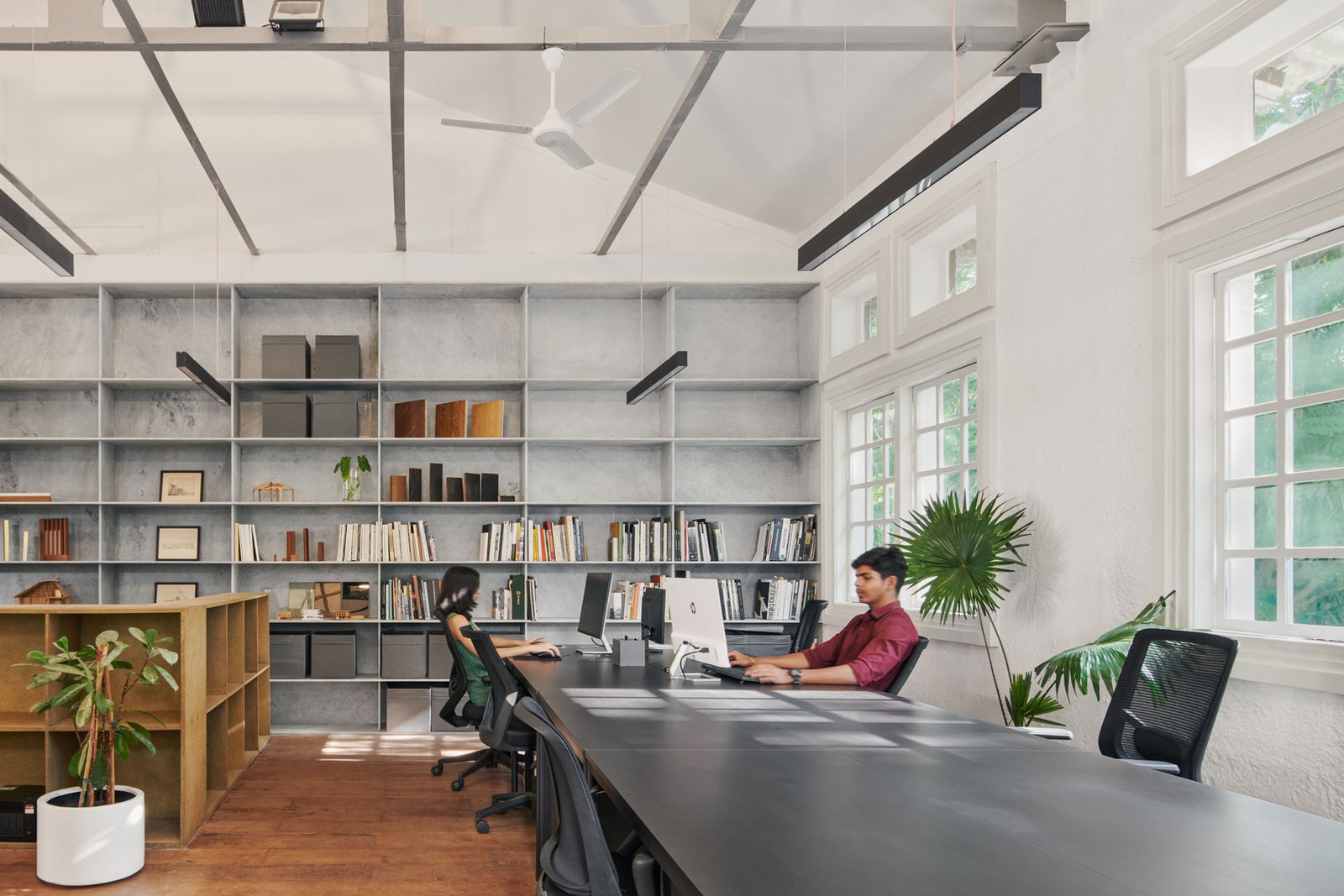
Firms like Architecture BRIO exemplify this approach by combining design excellence with sustainability, creating campuses that are not only functional but also inspiring and environmentally conscious.
Report Story


Recent Comments