Eyelid Surgery Procedure Steps From Start to Finish
Eyelid surgery, also known as blepharoplasty, is a popular cosmetic and functional procedure designed to improve the appearance of the eyelids and, in some cases, address vision-related concerns caused by excess skin. Many people consider this treatment to achieve a more refreshed look, reduce signs of aging around the eyes, or improve eyelid comfort. For those exploring options for the Best Eyelid Surgery in Muscat, understanding the complete procedure from preparation to recovery can help them make informed decisions.
The eyelids are one of the first areas where signs of aging may become noticeable. Factors such as genetics, lifestyle habits, sun exposure, and natural aging can lead to drooping eyelids, puffiness, or under-eye concerns. Eyelid surgery focuses on carefully reshaping the area while maintaining a natural appearance. The procedure requires detailed planning, precision, and proper aftercare to achieve safe and satisfying results.
Understanding Eyelid Surgery and Its Purpose
Eyelid surgery is a procedure that removes or adjusts excess skin, fat, and muscle around the upper or lower eyelids. The main goal is to create a smoother, more youthful appearance while preserving the natural expressions of the face.
Some individuals choose eyelid surgery because they notice tired-looking eyes even when they feel well-rested. Others may experience functional problems, such as upper eyelid skin affecting their field of vision. In these cases, the procedure may provide both aesthetic and practical benefits.
A qualified specialist evaluates the eyelid structure, facial balance, skin condition, and overall health before recommending the most suitable approach. Every person has unique needs, so the procedure is customized rather than following a one-size-fits-all method.
Step 1: Initial Consultation and Eyelid Assessment
The first step in the eyelid surgery journey is a detailed consultation. During this stage, the patient discusses their goals, concerns, and expectations. The specialist examines the eyelids and surrounding facial areas to determine whether surgery is appropriate.
The assessment usually includes reviewing:
- The amount of excess skin around the eyelids
- The position of the eyelid muscles
- The presence of under-eye bags or puffiness
- Skin elasticity and facial structure
- Previous medical history and any existing eye conditions
Patients are encouraged to ask questions and share their desired results. A clear understanding between the patient and specialist helps create realistic expectations and improves satisfaction with the outcome.
Step 2: Preparing for the Eyelid Surgery Procedure
Before undergoing eyelid surgery, patients receive preparation instructions to support a smooth procedure and recovery. These guidelines may vary depending on individual health conditions and the type of surgery planned.
Preparation may include:
- Avoiding certain medications or supplements that increase bleeding risk
- Arranging transportation after the procedure
- Preparing a comfortable recovery area at home
- Following instructions regarding skincare and eye care
A medical evaluation may also be recommended to confirm that the patient is suitable for surgery. Good preparation plays an important role in reducing possible risks and supporting healing.
Step 3: The Eyelid Surgery Procedure
On the day of surgery, the eyelid area is carefully prepared. The procedure is typically performed using local anesthesia with or without additional sedation, depending on the patient’s needs and the surgical plan.
Upper Eyelid Surgery
For upper eyelid surgery, the specialist usually creates a carefully placed incision within the natural fold of the eyelid. This helps minimize the visibility of any scar after healing.
Through this incision, excess skin, fat, or muscle may be adjusted or removed. The goal is to improve eyelid shape while maintaining normal eyelid function and a natural appearance.
Lower Eyelid Surgery
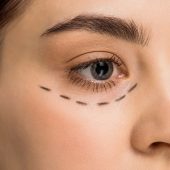
Lower eyelid surgery focuses on concerns such as under-eye bags, loose skin, or uneven contours. The incision may be placed below the lower lash line or inside the eyelid, depending on the technique used.
The specialist may reposition or remove excess fat and tighten the surrounding tissues to create a smoother transition between the lower eyelid and cheek area.
The length of the procedure depends on the complexity of the treatment and whether both upper and lower eyelids are addressed.
Step 4: Closing the Incisions and Immediate Recovery
After the necessary adjustments are completed, the incisions are carefully closed. Fine sutures or other closure methods may be used to support proper healing.
Following surgery, patients are monitored for a short period before returning home. Mild swelling, bruising, tightness, and temporary discomfort are common during the early recovery stage.
Patients are usually advised to:
- Keep the head elevated while resting
- Apply cold compresses as recommended
- Avoid rubbing or putting pressure on the eyes
- Follow all prescribed care instructions
- Protect the eyes from excessive sunlight
Proper aftercare is essential for reducing swelling and supporting a smooth recovery process.
Step 5: Eyelid Surgery Recovery and Results
Recovery after eyelid surgery varies from person to person. Most patients notice gradual improvement as swelling and bruising decrease over time.
During the first few days, the eyelids may feel sensitive, and some individuals may experience dryness or temporary changes in eye comfort. These effects generally improve as healing continues.
Patients can often return to normal daily activities after receiving clearance from their specialist. However, activities that involve heavy physical effort may need to be avoided during the early recovery period.
The final results become more noticeable as the tissues heal completely. Many people appreciate that eyelid surgery provides a refreshed appearance without making the face look unnatural. Maintaining healthy habits and protecting the skin from sun exposure can help preserve the results.
Benefits of Choosing Eyelid Surgery
Eyelid surgery can offer several benefits for suitable candidates. These may include:
- A more youthful and refreshed eye appearance
- Reduced drooping or excess eyelid skin
- Improved facial balance
- A brighter and more alert look
- Possible improvement in vision obstruction caused by heavy upper eyelids
The best outcomes usually come from patients who have realistic expectations and understand that eyelid surgery enhances existing features rather than completely changing facial identity.
Factors to Consider Before Eyelid Surgery
Although eyelid surgery is commonly performed, it is still an important medical procedure that requires careful consideration. Patients should choose a qualified and experienced professional and understand all aspects of the treatment.
Important factors include:
- Overall health condition
- Eye health and previous eye-related issues
- Recovery expectations
- Understanding potential risks
- Following pre- and post-surgery instructions
A detailed consultation helps patients decide whether the procedure matches their goals and needs.
1. What is the purpose of eyelid surgery?
Eyelid surgery is performed to improve the appearance of the eyelids by reducing excess skin, adjusting fat, or tightening tissues. It may also help some individuals who have vision problems caused by drooping upper eyelid skin.
2. How long does eyelid surgery take?
The duration depends on whether the procedure involves the upper eyelids, lower eyelids, or both. A specialist can provide a more accurate estimate after evaluating the patient’s condition and treatment goals.
3. Is eyelid surgery painful?
Most patients experience minimal discomfort because anesthesia is used during the procedure. Mild swelling, bruising, tightness, or sensitivity may occur during recovery but usually improves with proper care.
4. How long does it take to recover from eyelid surgery?
Recovery time varies, but many patients see noticeable improvement within a few weeks. Complete healing and final results may take longer as the tissues continue to settle.
5. Are the results of eyelid surgery permanent?
Eyelid surgery provides long-lasting results, but the natural aging process continues over time. Healthy lifestyle choices and proper skin protection can help maintain the improved appearance.
6. Who is a suitable candidate for eyelid surgery?
Suitable candidates are generally healthy adults who have concerns such as drooping eyelids, excess skin, or under-eye puffiness and have realistic expectations about the outcome.
Eyelid surgery can be a valuable option for individuals seeking a refreshed appearance or improved eyelid function. Understanding every stage, from consultation and preparation to surgery and recovery, allows patients to approach the procedure with confidence. For those researching the Best Eyelid Surgery in Muscat, learning about the process and choosing professional guidance are important steps toward achieving safe and natural-looking results.
Read More About Eyelid Surgery: https://linkmate.mn.co/posts/eyelid-surgery-consultation-what-to-expect
Report StoryRelated Stories
-
Eyelid Surgery Scars: Healing and Care Tips
- Eyelid Surgery After 50: Benefits and Recovery Insights
- Can You Wear Makeup After Eyelid Surgery? Timeline Guide
-
Can Eyelid Surgery Improve Vision? Facts You Should Know

- How Enterprise CRM Services in India Help Businesses Build Stronger...
- How Application Support and Maintenance Services Help Businesses Reduce Application...
- How Robotic Process Automation Services Help Businesses Improve Daily Operations
- A Complete Guide to Zapier Integration Salesforce for Business Automation
-
Ozempic Injections: Emotional Eating Control Guide

-
Laser Hair Removal for Sensitive Skin Explained

Recent Comments