Chemical Peels in Muscat for Dry Skin: Pros and Cons
Dry skin often feels tight, rough, and uncomfortable, making it difficult to maintain a healthy, glowing complexion. Many people assume that exfoliating treatments are only suitable for oily or acne-prone skin, but that is not always the case. When performed correctly, chemical peels can benefit dry skin by removing dead skin cells, encouraging healthy skin renewal, and improving the absorption of moisturizers and skincare products.
For individuals considering Chemical Peels in Muscat, understanding both the advantages and potential drawbacks is essential before deciding on treatment. Every skin type responds differently, and choosing the right peel strength can make a significant difference in achieving safe and satisfying results.
This guide explores how chemical peels work for dry skin, their benefits, possible risks, aftercare, and what people should know before starting treatment.
What Are Chemical Peels?
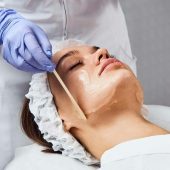
Chemical peels are skin-resurfacing treatments that use specially formulated acids to remove the outer layer of dead or damaged skin. As the skin heals, it reveals a fresher, smoother, and healthier-looking complexion.
Chemical peels are generally available in three categories:
Superficial Peels
These are the mildest peels and primarily target the outermost layer of skin. They are often suitable for individuals with dry or sensitive skin because they provide gentle exfoliation with minimal recovery time.
Medium Peels
Medium-depth peels penetrate deeper into the skin to address pigmentation, uneven texture, and mild wrinkles. They require a longer healing period but often produce more noticeable improvements.
Deep Peels
Deep chemical peels reach the lower layers of the skin and are typically reserved for more advanced skin concerns. These treatments involve significant downtime and are not appropriate for everyone, especially individuals with naturally dry or sensitive skin.
Can Chemical Peels Benefit Dry Skin?
Yes, chemical peels can benefit dry skin when the treatment is carefully selected according to the individual’s skin condition. Dry skin tends to accumulate dead skin cells that create a dull appearance and prevent moisturizers from penetrating effectively.
Gentle chemical peels remove this buildup, allowing newer skin cells to surface. As a result, skincare products often work more efficiently because they can reach healthier skin layers.
People exploring Chemical Peels in Muscat should understand that the success of treatment depends on selecting the appropriate peel rather than simply choosing the strongest option.
Pros of Chemical Peels for Dry Skin
Chemical peels offer several advantages when tailored to dry skin needs.
Improves Skin Texture
Dry skin often feels rough due to accumulated dead skin cells. Gentle exfoliation smooths the skin surface, making it softer and more even.
Enhances Skin Radiance
Dead skin buildup can leave the complexion looking tired and dull. Chemical peels reveal fresher skin underneath, creating a brighter and healthier appearance.
Boosts Product Absorption
One of the biggest advantages of chemical peels is improved absorption of moisturizers, serums, and hydrating skincare products. Once dead skin is removed, active ingredients can penetrate more effectively.
Reduces Fine Lines
Dry skin frequently makes fine lines appear more noticeable. By stimulating skin renewal, chemical peels can soften the appearance of early signs of aging.
Encourages Collagen Production
Certain chemical peels stimulate collagen production, helping maintain skin firmness and elasticity over time.
Improves Uneven Skin Tone
Sun exposure, aging, and dryness may contribute to uneven pigmentation. Chemical peels help reduce discoloration by encouraging the replacement of damaged skin cells.
Creates a Healthier Complexion
Regular skin renewal helps maintain a smoother, fresher complexion that looks healthier and feels more comfortable.
Cons of Chemical Peels for Dry Skin
Although chemical peels offer many benefits, they also have limitations and possible side effects that individuals should consider.
Temporary Dryness
Since chemical peels remove the outer layer of skin, temporary dryness is common during the healing process. Proper moisturization becomes especially important after treatment.
Skin Peeling
Visible peeling is a normal part of recovery for many chemical peels. The amount of peeling depends on the strength of the treatment.
Increased Sensitivity
Freshly treated skin becomes more sensitive to sunlight, heat, and certain skincare products. Daily sun protection is essential following a peel.
Risk of Irritation
People with very dry or sensitive skin may experience redness, itching, or mild irritation if the peel is too strong for their skin type.
Recovery Time
Although superficial peels involve little downtime, medium and deep peels require several days or even weeks for complete healing.
Not Suitable During Active Skin Conditions
Individuals experiencing severe eczema, skin infections, or significant irritation may need to postpone treatment until the skin barrier has recovered.
Choosing the Right Chemical Peel for Dry Skin
Not every chemical peel is appropriate for dry skin. The treatment should focus on gentle exfoliation without causing excessive irritation.
Some commonly used mild peeling ingredients include:
- Lactic acid
- Mandelic acid
- Low-strength glycolic acid
- Mild fruit acid formulations
These ingredients provide effective exfoliation while helping retain moisture within the skin. The appropriate choice depends on the individual’s skin condition, sensitivity, and treatment goals.
People considering Chemical Peels in Muscat often benefit from an individualized skin assessment before selecting the most suitable peel type.
How to Prepare Before a Chemical Peel
Preparation helps improve treatment results while minimizing the likelihood of irritation.
Several simple steps are usually recommended before treatment:
- Keep the skin well hydrated.
- Avoid excessive sun exposure.
- Use gentle skincare products.
- Avoid harsh scrubs or exfoliants several days before treatment.
- Inform the skincare professional about current skincare products and medications.
- Follow all pre-treatment instructions carefully.
Healthy, well-prepared skin generally responds better to chemical peeling procedures.
Aftercare Tips for Dry Skin
Post-treatment care plays an important role in achieving smooth healing and long-lasting results.
After a chemical peel, individuals should:
- Apply a gentle moisturizer regularly.
- Use sunscreen every day.
- Avoid picking or peeling loose skin.
- Wash the face with a mild cleanser.
- Avoid excessive heat, steam rooms, and intense exercise for the recommended period.
- Stay hydrated by drinking adequate water.
- Avoid introducing strong active ingredients until the skin has fully healed.
Consistent aftercare helps maintain skin comfort while reducing the risk of irritation.
Who Is a Good Candidate for Chemical Peels?
Chemical peels may be suitable for people who have:
- Dry, dull skin
- Mild pigmentation
- Uneven skin texture
- Fine lines
- Sun-damaged skin
- Rough skin surface
However, treatment suitability varies from person to person. Individuals with extremely sensitive skin or active skin conditions should seek professional guidance before undergoing any chemical peel.
How Often Should Dry Skin Receive Chemical Peels?
The ideal treatment schedule depends on the peel strength and individual skin response.
Superficial peels are often performed every few weeks, while medium peels require longer intervals between sessions. Deep peels are generally performed much less frequently due to their intensive nature.
Overusing chemical peels can weaken the skin barrier, making moderation essential for individuals with dry skin.
Final Thoughts
Chemical peels can be an excellent option for improving dry skin when chosen carefully and combined with proper skincare. Gentle exfoliation removes dead skin buildup, enhances product absorption, brightens the complexion, and encourages healthier skin renewal. However, selecting an appropriate peel strength and following proper aftercare are equally important to prevent unnecessary irritation or excessive dryness.
For individuals exploring Chemical Peels in Muscat, understanding both the benefits and potential limitations allows for more informed decisions. With the right approach, chemical peels can become a valuable part of a skincare routine that supports smoother, healthier, and more radiant skin over time.
FAQs
1. Are chemical peels safe for dry skin?
Yes. Mild chemical peels can be safe for dry skin when selected appropriately and followed by proper moisturizing and aftercare.
2. Will a chemical peel make dry skin worse?
Temporary dryness may occur during healing, but suitable peels combined with proper hydration generally improve overall skin texture rather than worsening dryness.
3. How long does it take to recover after a chemical peel?
Recovery varies depending on the peel strength. Superficial peels usually heal within a few days, while medium and deep peels require a longer recovery period.
4. Can moisturizers be used after a chemical peel?
Yes. Moisturizers are an important part of post-treatment care because they help restore the skin barrier and reduce dryness.
5. How often can someone with dry skin get chemical peels?
Treatment frequency depends on the peel type and skin condition. Mild peels may be repeated every few weeks, while stronger peels require much longer intervals.
6. Are chemical peels suitable for sensitive dry skin?
They can be, provided gentle formulations are selected and the treatment is customized to the individual’s skin sensitivity and overall skin health.
Read More About Chemical Peels: https://noida-escort-service.mn.co/posts/103874905?utm_source=manual
Report StoryRelated Stories
- residential apartments in noida
- 4 bhk apartment in noida with practical layouts and modern...
- 3 BHK Flat For Sale In Indirapuram
- A practical guide to choosing a 3 BHK Flat In...
- 3 BHK Flat In Noida Expressway
- Buy 3 BHK Gurgaon
- A complete guide to 3 BHK Flats for Sale in...
-
Wegovy Injections for Weight Loss: What to Expect

-
How Quickly Do Glutathione Injections in Oman Show Results?

-
Chemical Peels and Sensitivity: What Beginners Should Know
Recent Comments