Are Dermal Fillers Safe? Benefits and Risks Explained
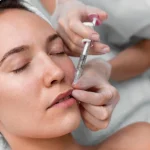
Dermal fillers have become one of the most popular non-surgical cosmetic treatments for individuals who want to restore facial volume, reduce wrinkles, and enhance their natural features. Whether you are considering fuller lips, defined cheeks, or a smoother jawline, understanding the safety of dermal fillers is essential before making a decision.
If you are thinking about getting Dermal Fillers in Islamabad, learning about their benefits, potential risks, and the importance of choosing a qualified practitioner can help you feel more confident about the treatment.
What Are Dermal Fillers?
Dermal fillers are injectable substances designed to restore lost volume, soften facial lines, and improve facial contours. Most modern fillers are made from hyaluronic acid, a naturally occurring substance in the body that helps maintain skin hydration and elasticity.
Unlike surgical procedures, dermal fillers provide noticeable improvements with minimal downtime, making them a popular choice for facial rejuvenation.
Are Dermal Fillers Safe?
Yes, dermal fillers are generally considered safe when administered by a qualified and experienced medical professional using approved products. Their safety largely depends on several factors, including:
- The experience of the injector
- The quality of the filler used
- Proper patient assessment
- Correct injection techniques
- Following recommended aftercare instructions
Before treatment, a thorough consultation helps determine whether dermal fillers are suitable for your facial anatomy, aesthetic goals, and medical history.
Benefits of Dermal Fillers
Dermal fillers offer numerous cosmetic benefits while maintaining a minimally invasive approach.
Restore Lost Facial Volume
As people age, the face naturally loses fat, collagen, and elastin. This volume loss can make the cheeks appear flatter and the skin less youthful.
Dermal fillers help restore fullness, creating a refreshed and naturally rejuvenated appearance.
Smooth Fine Lines and Wrinkles
Fillers effectively soften:
- Nasolabial folds
- Marionette lines
- Smile lines
- Chin creases
Instead of freezing facial muscles, they fill areas where volume has diminished.
Enhance Facial Features
Many individuals use dermal fillers to improve facial balance by enhancing:
- Lips
- Cheeks
- Chin
- Jawline
- Temples
The goal is subtle enhancement rather than dramatic changes.
Immediate Results
Unlike treatments that require weeks or months to show improvement, dermal fillers often provide visible results immediately after the procedure.
Minor swelling may temporarily affect the final appearance, but improvements become more apparent as healing progresses.
Minimal Downtime
Most patients return to work or daily activities shortly after treatment.
Some mild swelling or bruising may occur, but recovery is generally quick.
Customizable Treatment
Dermal fillers are highly versatile. During consultation, practitioners can customize treatment according to:
- Facial proportions
- Skin condition
- Age
- Desired outcome
- Areas requiring enhancement
This personalized approach helps achieve balanced, natural-looking results.
Common Areas Treated With Dermal Fillers
Dermal fillers are commonly used for:
- Lips
- Cheeks
- Jawline
- Chin
- Under-eye hollows
- Nasolabial folds
- Marionette lines
- Temples
- Nose (non-surgical rhinoplasty in selected cases)
Each treatment plan is tailored to the individual’s facial structure.
Potential Risks of Dermal Fillers
Although dermal fillers are considered safe, every cosmetic procedure carries some level of risk.
Understanding these possibilities helps patients make informed decisions.
Temporary Swelling
Mild swelling is one of the most common side effects.
It usually improves within a few days.
Bruising
Small bruises may develop around the injection sites, particularly in individuals who bruise easily.
These generally resolve within one to two weeks.
Redness and Tenderness
Temporary redness, mild discomfort, or tenderness is normal immediately after treatment.
These symptoms typically disappear within a few days.
Lumps or Unevenness
Occasionally, fillers may feel slightly firm immediately after injection.
In many cases, the product settles naturally during healing.
If necessary, your practitioner can evaluate and manage persistent irregularities.
Allergic Reactions
Although uncommon with modern hyaluronic acid fillers, allergic reactions are still possible.
Patients should always disclose previous allergies and medical conditions during consultation.
Infection
Any injectable treatment carries a small risk of infection.
Choosing a reputable clinic that follows strict hygiene protocols significantly reduces this risk.
Vascular Complications
One of the rare but serious complications occurs when filler is accidentally injected into or compresses a blood vessel.
This may reduce blood flow to surrounding tissues and requires immediate medical attention.
Experienced injectors understand facial anatomy and use advanced techniques to minimize this risk.
Who Is a Good Candidate for Dermal Fillers?
Dermal fillers may be suitable for adults who:
- Have realistic expectations
- Want to restore facial volume
- Wish to reduce facial wrinkles
- Desire subtle facial enhancement
- Are in good general health
A professional consultation helps determine whether fillers are the appropriate treatment for your cosmetic goals.
Who Should Avoid Dermal Fillers?
Dermal fillers may not be recommended for individuals who:
- Have active skin infections near the treatment area
- Have certain autoimmune conditions
- Are pregnant or breastfeeding
- Have known allergies to filler ingredients
- Have uncontrolled medical conditions
Your practitioner will review your medical history before recommending treatment.
How to Improve Safety Before Treatment
Patients can contribute to safer outcomes by following pre-treatment recommendations.
These may include:
- Sharing complete medical history
- Discussing previous cosmetic procedures
- Informing the practitioner about medications and supplements
- Avoiding blood-thinning medications only if advised by your healthcare provider
- Following all preparation instructions
Honest communication helps reduce potential complications.
Aftercare Tips for Better Results
Proper aftercare supports healing and helps achieve optimal outcomes.
Patients are commonly advised to:
- Avoid touching or massaging treated areas unless instructed.
- Skip strenuous exercise for the first 24–48 hours.
- Avoid excessive heat, including saunas and steam rooms, for a short period.
- Stay hydrated.
- Sleep with the head slightly elevated if swelling occurs.
- Attend follow-up appointments if recommended.
Following aftercare instructions carefully can improve both comfort and final results.
Choosing the Right Practitioner
Perhaps the most important factor affecting safety is selecting a qualified and experienced injector.
When choosing a provider, consider:
- Professional medical qualifications
- Experience with facial anatomy
- Use of approved filler products
- Comprehensive patient consultation
- Natural-looking treatment philosophy
- Clean and professional clinical environment
An experienced practitioner focuses on enhancing your natural beauty while prioritizing patient safety.
Frequently Asked Questions
Do dermal fillers look natural?
Yes. When performed by an experienced practitioner, dermal fillers are designed to enhance facial features while maintaining a natural appearance.
Are dermal fillers painful?
Most patients experience only mild discomfort. Many fillers contain a local anesthetic, and numbing cream may also be applied before treatment.
How long do dermal fillers last?
The longevity of dermal fillers varies depending on the product used, the treatment area, and individual metabolism. Results commonly last several months to over a year.
Can dermal fillers be reversed?
Many hyaluronic acid fillers can be dissolved using a specialized enzyme if medically necessary or if adjustments are required.
When should I seek medical attention after fillers?
Contact your practitioner immediately if you experience severe pain, significant discoloration of the skin, vision changes, or symptoms that worsen instead of improving.
Conclusion
Dermal fillers are a safe and effective cosmetic treatment for many individuals when performed by a qualified medical professional using approved products and proper injection techniques. They offer numerous benefits, including facial rejuvenation, wrinkle reduction, and enhanced facial contours, all with minimal downtime.
Like any cosmetic procedure, dermal fillers also carry potential risks, but these can be significantly minimized through careful patient selection, expert treatment planning, and adherence to aftercare instructions. If you are considering Dermal Fillers in Islamabad, scheduling a consultation with an experienced practitioner is the best way to determine whether the treatment aligns with your aesthetic goals while ensuring the highest standards of safety.
Report StoryPopular Stories
-

Velki Agent List 2026: Verified Master & Quick Agents |...
-

Creative Seating Arrangements at NJ Venues That Enhance Guest Interaction
-
Luxury Car & Limo Rentals for the Hamptons – Tri-State... quickluxuryride.com
-
Memorial Day Travel in Style – Luxury Car & Limo... quickluxuryride.com
-
Are Dermal Fillers Safe? Benefits and Risks Explained
Trending Stories
-
Velki Agent List 2026: Verified Master & Quick Agents |...
-
Creative Seating Arrangements at NJ Venues That Enhance Guest Interaction
-
Luxury Car & Limo Rentals for the Hamptons – Tri-State... quickluxuryride.com
-
Memorial Day Travel in Style – Luxury Car & Limo... quickluxuryride.com
-
Are Dermal Fillers Safe? Benefits and Risks Explained
Recent Comments