Ama Dablam Expedition: A 30-Day Climbing Journey in Nepal
Ama Dablam Expedition Overview
The Ama Dablam Expedition is one of the most famous climbing adventures in Nepal. This 30-day journey takes you to the beautiful Everest Region and offers both adventure and stunning mountain views. Ama Dablam stands at 6,812 meters and is known as one of the most beautiful mountains in the Himalayas. The name Ama Dablam means “Mother’s Jewel.” In the Sherpa language, “Ama” means mother, and “Dablam” is the traditional jewel worn by Sherpa women. Local people believe a hanging glacier on the mountain looks like this special jewel.
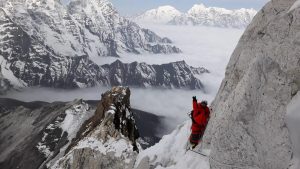
Although Ama Dablam is lower than many 8,000-meter peaks, it is a technical climb. It requires good fitness and previous experience with both rock and ice climbing.
Why Climbers Choose Ama Dablam
Ama Dablam is often called the jewel of the Khumbu region. Its sharp shape and snowy ridges make it one of the most photographed mountains in Nepal. From the summit, climbers enjoy wide views of Mount Everest, Lhotse, Makalu, Cho Oyu, Nuptse, Baruntse, and Pumori. These unforgettable views make every hard step worthwhile. The expedition also passes through Sagarmatha National Park, where you can enjoy forests, rivers, Sherpa villages, and peaceful mountain trails before reaching base camp.
A Short History of the Ama Dablam Expedition
The first successful Ama Dablam Expedition took place on 13 March 1961. It was completed by members of the Silver Hut Scientific Expedition led by Sir Edmund Hillary. The climbing team included Mike Gill, Barry Bishop, Mike Ward, and Wally Romanes. They reached the summit through the southwest ridge, opening the way for future climbers.
Climbing Route and Camps
Most expeditions follow the South Ridge, which is considered safer from avalanches while still offering a challenging climb. The expedition uses four main camps:
Base Camp (4,750 m)
Base Camp is the main climbing camp. Climbers rest here, prepare equipment, and complete training before moving higher.
Camp I (5,700 m)
Camp I is located on the east side of a ridge. It is the first overnight camp during the climb.
Camp II (5,900 m)
Camp II has limited tent space and is more exposed to the weather. Climbers spend only the needed time here before moving higher.
Camp III (6,300 m)
Camp III is the final camp before the summit push. From here, climbers begin their final climb to the top.
Is the Ama Dablam Expedition Right for You?
The Ama Dablam Expedition is best for climbers who already have experience on rock and ice. The mountain has steep sections with snow, ice, and rock, so technical climbing skills are necessary. Even though it is lower than some nearby peaks, many climbers find Ama Dablam more demanding. Good physical fitness, mental strength, and proper preparation are important for a safe climb. Another advantage is that the expedition is more affordable than many other major Himalayan expeditions. The climbing permit costs USD 400 during spring and autumn and USD 200 during winter and the monsoon season.
30-Day Ama Dablam Expedition Itinerary
The journey begins with your arrival in Kathmandu, followed by a preparation day. You then fly to Lukla and trek through Phakding, Namche Bazaar, Debuche, and Pheriche. After acclimatization, you reach Ama Dablam Base Camp for training. From Day 11 to Day 25, climbers work toward the summit and safely return to Base Camp. After the climb, you trek back to Lukla, fly to Kathmandu, enjoy a leisure day, and then depart Nepal.
Final Thoughts
The Ama Dablam Expedition is more than reaching a summit. It is a chance to climb one of the world’s most beautiful mountains while exploring the famous Everest Region. With proper experience, careful planning, and a skilled support team, this expedition offers an unforgettable Himalayan adventure that many climbers dream of completing.
Report StoryRelated Stories
-
Thailand Destination Wedding: A Perfect Blend of Tropical Beauty and...

- Professional Property Management Sicamous Services You Can Trust
-
Hilton Head Vacation Rentals Introduce the Ideal Family Retreat Experience...

- Premium Airport Car – Limousine Service from JFK to NYC...
- Reliable Airport and Limousine Car Services
-
Best Car Transport Services for Safe & Affordable Vehicle Shipping

-
Travel Research Led Me to a Ladakh Holiday Package
-
Military Discount Auto Transport for Affordable Nationwide Car Shipping
-
Pushkar Destination Wedding: Celebrate Your Special Day in Rajasthan’s Spiritual...

-
Auto Transport Services | Fast, Safe & Affordable Car Shipping

Popular Stories
-
Reliable Car Shifting Service in India for Safe and Smooth...
-
Hassle-Free Vehicle Shifting in India with Safe and Professional Transportation...
-

جراحة تجميل الأنف لتحسين وظيفة الأنف
-
Safe and Reliable Car Transport Service for Smooth Vehicle Relocation
-
Safe and Efficient Vehicle Transport Service for Seamless Vehicle Relocation
Trending Stories
-
Reliable Car Shifting Service in India for Safe and Smooth...
-
Hassle-Free Vehicle Shifting in India with Safe and Professional Transportation...
-
جراحة تجميل الأنف لتحسين وظيفة الأنف
-
Safe and Reliable Car Transport Service for Smooth Vehicle Relocation
-
Safe and Efficient Vehicle Transport Service for Seamless Vehicle Relocation
Recent Comments