10 Factors to Consider Before Buying an Industrial Agitator
Choosing the right mixing equipment is a critical decision for any process industry. Partnering with a reliable Industrial Agitator Manufacturer can shape the efficiency, safety, and lifespan of your entire production line. Whether you handle chemicals, pharmaceuticals, or food-grade liquids, the right design saves energy and cuts downtime. This guide walks you through ten essential factors you should evaluate before you invest in new mixing solutions.
Why Your Agitator Choice Shapes Your Entire Process
An agitator does more than stir liquid. It controls blending speed, heat transfer, and product consistency. Therefore, a poor choice can lead to uneven mixing, wasted raw material, and frequent breakdowns. As a result, buyers now research their Agitator Mixer Manufacturers carefully before signing a purchase order. That’s why choosing the right Industrial Agitator Manufacturer stays essential at every stage.
A Quick Snapshot of Industrial Mixing
Modern plants rely on agitators for chemical mixing equipment, wastewater treatment, and pharmaceutical blending. Consequently, the market offers many designs, from simple paddle mixers to heavy duty Coaxial Agitators built for complex viscosity ranges.
1. Define Your Application and Process Requirements
First, understand what you need to mix. For instance, thin liquids need different impellers than thick slurries. Additionally, your process temperature and pressure will affect material choice and seal design.
Viscosity and Flow Behavior
Viscosity determines torque and horsepower needs. In fact, a trusted Industrial Agitator Manufacturer will study your fluid data before recommending a design.
2. Choose the Right Type of Agitator
Not every mixing task needs the same equipment. However, some processes with layered viscosities need dual-shaft designs. A skilled Industrial Agitator Manufacturer can recommend the right configuration for your blend.
Heavy Duty Coaxial Agitators for Complex Mixing
Heavy Duty Coaxial Agitators combine a slow outer anchor with a fast inner turbine. This combination handles both wall scraping and high shear blending. As a result, many chemical and paint industries prefer this configuration.
3. Evaluate Tank and Vessel Design
Your vessel shape and size directly influence agitator placement. Meanwhile, baffles and internal fittings can change flow patterns inside the tank.
FRP Reactor With Agitators Compatibility
If you use an FRP reactor with agitators, check that the mounting flange and shaft length match your vessel exactly. Otherwise, misalignment can cause vibration and premature wear. Ask your Agitator Mixer Manufacturers whether they offer FRP-compatible flanges as a standard fitting.
4. Check Motor and Gearbox Specifications
The motor and gearbox combination decides your agitator’s torque output and speed range. Furthermore, an oversized motor wastes energy, while an undersized one overheats quickly.
Industrial Agitators with Gearbox and Motor
Reliable industrial agitators with gearbox and motor units, built by a competent Industrial Agitator Manufacturer, use sealed bearings and corrosion-resistant housings. Similarly, look for IP-rated enclosures if you work in humid or washdown areas.
Power Rating Considerations
Always match motor kilowatt rating with your actual load. Otherwise, you risk nuisance trips and reduced service life.
5. Material of Construction
Material choice affects durability and product purity alike. For example, stainless steel suits food and pharma lines, while alloys resist aggressive chemicals.
Corrosion Resistance for Chemical Mixing Equipment
Chemical mixing equipment often handles acids, solvents, or caustic solutions. Therefore, ask your Agitator Mixer Manufacturers for material certificates and corrosion test data before you finalize an order.
6. Mixing Speed and Shear Requirements
Different products need different shear levels. In short, high-speed mixing suits emulsions, while gentle blending suits fragile particles. Consequently, speed control options matter as much as motor size. Speak with your Industrial Agitator Manufacturer about variable frequency drives for flexible speed control.
7. Seal and Mounting Configuration
Seal type prevents leaks and contamination. Moreover, mounting style changes how easily you can service the unit later. Leading Agitator Mixer Manufacturers offer multiple seal options to suit different pressure ranges.
Top Entry vs Side Entry Mounting
Top entry units suit tall tanks with heavy loads. On the other hand, side entry units work well in wide, shallow vessels with space constraints.
8. Manufacturer’s Experience and Reputation
Experience often predicts reliability. Before you commit, check case studies, client reviews, and years in operation.
Why Working with a Trusted Industrial Agitator Manufacturer Matters
A seasoned Industrial Agitator Manufacturer understands regional codes, fluid behavior, and industry-specific hazards. Ultimately, this experience reduces costly design errors and speeds up commissioning.
9. After-Sales Support and Spare Parts Availability
Machines need maintenance eventually. Therefore, confirm that spare seals, bearings, and shafts stay available locally. Additionally, ask about warranty terms and response time for breakdowns. Most reputable Agitator Mixer Manufacturers offer annual maintenance contracts for this reason.
10. Cost vs Long-Term Value
Upfront price matters, but running cost matters more. For instance, energy-efficient motors and durable materials lower total ownership cost over years. An experienced Industrial Agitator Manufacturer will show you the full lifecycle cost, not just the sticker price. In the end, value beats a cheap upfront price tag.
Final Thoughts
Buying an agitator is not a simple checkbox task. Instead, it demands careful review of your process, vessel, and long-term goals. Working with an experienced Industrial Agitator Manufacturer, such as UK Pump & Equipments, gives you tested designs and dependable after-sales support. Similarly, reputable Agitator Mixer Manufacturers can guide you toward the right combination of motor, material, and mounting for your specific application.
Frequently Asked Questions
1. What should I check first before buying an industrial agitator?
Start with your process data, including viscosity, temperature, and tank size. This information helps any Industrial Agitator Manufacturer suggest the right impeller and motor combination.
2. Why do heavy duty coaxial agitators cost more than standard mixers?
Heavy duty coaxial agitators use dual shafts and stronger gearboxes. Therefore, they handle tougher mixing tasks, which justifies the higher initial investment.
3. Can I use the same agitator for an FRP reactor with agitators setup and a steel tank?
Not always. Mounting flanges, shaft length, and seal types often differ between FRP reactor with agitators installations and standard steel vessels.
4. How do I know if I need an agitator with a gearbox and motor upgrade?
If your current unit struggles with load or overheats often, upgraded industrial agitators with gearbox and motor units usually solve the problem.
5. What makes chemical mixing equipment different from general mixers?
Chemical mixing equipment needs corrosion-resistant materials and sealed designs. As a result, it handles aggressive fluids safely over long operating periods.
6. Do all Agitator Mixer Manufacturers offer customized designs?
No. Some stick to standard catalog models. However, established Agitator Mixer Manufacturers, including UK Pump & Equipments, build custom shafts, impellers, and mounting styles around your exact process needs.
Report StoryRelated Stories
-
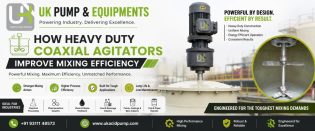
How Heavy Duty Coaxial Agitators Improve Mixing Efficiency
- Industrial Agitator Manufacturers in Ghaziabad
- Industrial Agitator Manufacturers in India
- How to Choose the Right FRP Reactor With Agitator
- Industrial Agitator Manufacturers in Baddi
- Industrial Agitators with Gearbox and Motor
- Industrial Agitator Suppliers in Bhiwadi
Popular Stories
-
Salesforce AI Solutions
-

Dry Vs. Gravy-Based Dishes at Indian Restaurants in New Jersey
-

Generative AI In Mobile App Development: Uses, Business Impact, &... ripenapps.com
-

How Fresh Ingredients Change the Entire Experience at Hicksville Restaurants
-
Buy Corporate Giveaways UAE | Henin Aluminium Rechargeable Torch –... wrappup.me
Trending Stories
-
Salesforce AI Solutions
-
Dry Vs. Gravy-Based Dishes at Indian Restaurants in New Jersey
-
Generative AI In Mobile App Development: Uses, Business Impact, &... ripenapps.com
-
How Fresh Ingredients Change the Entire Experience at Hicksville Restaurants
-
Buy Corporate Giveaways UAE | Henin Aluminium Rechargeable Torch –... wrappup.me
Recent Comments