Is the Gastric Balloon Procedure Safe for Everyone?
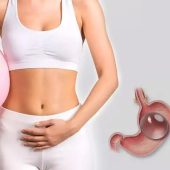
The Gastric Balloon procedure has become a popular option for people who want support with weight loss without undergoing traditional weight-loss surgery. Unlike procedures that involve cutting or permanently changing the digestive system, a gastric balloon is placed inside the stomach and temporarily occupies space. This can help a person feel full sooner and potentially eat smaller portions.
However, while the procedure may be suitable for many people, it is not considered safe or appropriate for everyone. Like any medical treatment, gastric balloon placement has eligibility requirements, possible side effects, and certain health conditions that may make it unsuitable.
Understanding who may benefit from a gastric balloon, who should avoid it, and what the procedure involves can help individuals make informed decisions about their health. A qualified healthcare professional can assess a person’s medical history, weight-loss goals, and overall health before determining whether this approach is appropriate.
What Is a Gastric Balloon?
A gastric balloon is a temporary weight-management device designed to help reduce food intake. Depending on the type of balloon used, it may be placed into the stomach through an endoscopic procedure or, in some cases, swallowed as a capsule. Once positioned, the balloon is filled or expanded so that it occupies space inside the stomach.
The presence of the balloon may help create a feeling of fullness after eating smaller amounts of food. This can make it easier for some individuals to reduce portion sizes and develop healthier eating habits.
Unlike permanent bariatric surgery, a gastric balloon does not involve cutting or removing part of the stomach. It is generally considered a non-surgical or minimally invasive weight-loss option, depending on the specific system used.
The balloon is also temporary. It is typically removed or naturally passed after a defined period, depending on the device and treatment plan.
Although the gastric balloon itself can support weight loss, it is not a stand-alone solution. Long-term results usually depend on combining the procedure with appropriate nutrition, physical activity, behavioral changes, and ongoing professional support.
Who May Be a Good Candidate for a Gastric Balloon?
A gastric balloon may be considered for adults who have struggled to lose weight through diet and exercise alone. It can be particularly appealing to people who are looking for a temporary and less invasive alternative to traditional weight-loss surgery.
However, suitability is not determined by body weight alone. A healthcare professional may consider several factors, including:
- Body mass index (BMI) and overall weight-related health
- Previous attempts at weight loss
- Eating patterns and lifestyle habits
- Existing medical conditions
- Previous abdominal or gastrointestinal procedures
- Current medications
- Ability to follow dietary and lifestyle recommendations
- Willingness to participate in follow-up care
Some individuals may also consider a gastric balloon when they need to lose weight before another medical procedure. In certain situations, weight reduction may help improve overall health and reduce risks associated with future treatment. However, this decision should always be made under professional medical supervision.
A gastric balloon may be more effective when the person is prepared to make sustainable lifestyle changes. The device can provide temporary assistance with portion control, but lasting weight management generally requires habits that continue after the balloon is removed.
Who Should Not Have a Gastric Balloon?
A gastric balloon is not suitable for everyone. Certain medical conditions, medications, and personal circumstances may increase the risk of complications or make the procedure less appropriate.
People with certain serious gastrointestinal conditions may not be suitable candidates. These can include active stomach or intestinal ulcers, significant inflammation, or other disorders that affect the digestive tract. Structural problems involving the esophagus or stomach may also present concerns.
Individuals with a history of certain gastrointestinal surgeries may require additional evaluation. Previous procedures can potentially affect the anatomy of the digestive system and may influence whether balloon placement is safe.
Some medications can also be relevant. For example, people who regularly use certain medicines that increase the risk of bleeding may require careful assessment before undergoing an invasive procedure. The same applies to individuals with medical conditions that affect blood clotting.
Pregnancy is another important consideration. A gastric balloon is generally not intended as a weight-loss treatment during pregnancy. People who are pregnant or planning pregnancy should discuss their circumstances with a qualified healthcare professional.
Individuals with certain uncontrolled mental health conditions, active substance use disorders, or severe eating disorders may also need specialized assessment before considering a gastric balloon. Weight-loss treatment is most effective and safest when the individual is able to understand the procedure, follow dietary guidance, and participate in ongoing care.
The key point is that a gastric balloon should never be viewed as a universally safe treatment. A thorough medical evaluation is essential before proceeding.
What Are the Possible Side Effects and Risks?
Like other medical procedures, a gastric balloon can cause side effects. Many of the most common symptoms occur during the first few days after placement as the stomach adjusts to the device.
Common temporary side effects may include:
- Nausea
- Vomiting
- Stomach cramps
- Abdominal discomfort
- Acid reflux
- Indigestion
- Bloating
- Feeling unusually full
These symptoms often improve as the body becomes accustomed to the balloon. Healthcare professionals may recommend medications, dietary adjustments, and gradual progression from liquids to solid foods to help manage the early adjustment period.
Although serious complications are less common, they can occur. Potential risks may include dehydration caused by persistent vomiting, bleeding, stomach or intestinal injury, balloon deflation, or obstruction in rare circumstances. Some balloon systems may also be associated with ulcers or inflammation.
A person should seek urgent medical attention if they experience severe or worsening abdominal pain, persistent vomiting, vomiting blood, black stools, significant weakness, or other concerning symptoms.
The risk profile can vary depending on the type of gastric balloon used and the individual’s health. For this reason, the procedure should be performed or supervised by appropriately qualified healthcare professionals with suitable medical facilities and follow-up care.
What Happens During and After the Procedure?
The exact process depends on the type of gastric balloon. Some systems are inserted using an endoscope, while others may involve swallowing a specially designed capsule. The healthcare team will explain the specific preparation and procedure before treatment.
After placement, the stomach may need time to adjust. During the early stage, the individual may follow a liquid or modified diet before gradually returning to more solid foods.
The first few days can be the most uncomfortable. Nausea and stomach cramps are relatively common during this adjustment period, although symptoms vary from person to person.
Once the body adapts, the balloon may help the individual feel satisfied with smaller portions. This can provide an opportunity to practice healthier eating habits and establish a more structured approach to weight management.
Follow-up is an important part of treatment. Nutrition guidance, physical activity recommendations, and behavioral support can all contribute to better outcomes. The individual may also need regular medical monitoring to check progress and address any complications.
The temporary nature of the balloon should also be understood. Once it is removed or passed, the stomach returns to its previous physical state. Without continued lifestyle changes, some individuals may regain weight after treatment.
Is the Gastric Balloon Safe for Everyone?
The simple answer is no, a gastric balloon is not safe or suitable for everyone. However, that does not mean it is unsafe as a treatment option overall.
For appropriately selected individuals, a gastric balloon can be a useful tool for supporting weight loss. Its temporary nature and lack of permanent surgical changes may make it attractive to people who do not want or qualify for traditional bariatric surgery.
The main factor is careful patient selection. A healthcare professional should review the person’s health history, digestive health, medications, previous procedures, weight-loss goals, and ability to follow a treatment program.
It is also important to have realistic expectations. A gastric balloon is not a quick fix or a guarantee of permanent weight loss. Its role is to provide temporary assistance while the individual works toward better eating habits and lifestyle changes.
People considering the procedure should ask questions about the specific balloon system, potential risks, expected benefits, dietary requirements, follow-up schedule, and what happens after the balloon is removed.
A personalized medical assessment is the best way to determine whether the procedure is appropriate. The safest approach is one that considers the individual’s complete health picture rather than relying solely on BMI or weight.
How Can Someone Improve the Safety and Success of a Gastric Balloon?
Preparation and aftercare can play a major role in both safety and long-term results. Individuals considering a gastric balloon can take several steps to support a positive experience.
First, they should provide a complete medical history. Information about previous surgeries, digestive problems, allergies, medications, and existing health conditions can help the healthcare team identify potential risks.
Second, individuals should understand the importance of following post-procedure dietary instructions. Eating too quickly or consuming large portions during the adjustment period may increase discomfort and make the transition more difficult.
Third, ongoing lifestyle support should be considered part of the treatment rather than an optional extra. A balanced diet, regular physical activity, adequate sleep, and healthy behavioral patterns can all contribute to sustainable weight management.
Finally, individuals should attend recommended follow-up appointments. Monitoring allows healthcare professionals to evaluate progress, manage side effects, and identify potential complications early.
The best results generally occur when the gastric balloon is viewed as a temporary tool that supports long-term lifestyle changes. The device may help create an opportunity for healthier habits, but maintaining those habits is ultimately important for lasting weight management.
Frequently Asked Questions About Gastric Balloon
1. Is a gastric balloon completely safe?
No medical procedure is completely risk-free. A gastric balloon can cause temporary side effects such as nausea, vomiting, abdominal discomfort, and acid reflux. Rare but more serious complications can also occur. A medical assessment before treatment helps determine whether the procedure is appropriate and how individual risks can be managed.
2. Who should avoid a gastric balloon?
People with certain gastrointestinal conditions, some previous digestive surgeries, specific bleeding or clotting problems, and certain other medical conditions may not be suitable candidates. Pregnancy and some uncontrolled health or behavioral conditions may also require avoiding or postponing treatment. Eligibility should always be determined through a professional assessment.
3. Is a gastric balloon considered surgery?
It depends on the type of balloon system. Some gastric balloons are placed using an endoscopic procedure, while others may be swallowed as capsules. Unlike traditional bariatric surgery, the procedure generally does not involve cutting or permanently removing part of the stomach.
4. How long does a gastric balloon stay in the stomach?
The duration depends on the specific type of balloon used. Some systems are designed to remain in place for a predetermined period before removal, while certain swallowable systems are designed to pass naturally. The healthcare provider should explain the expected timeline for the selected system.
5. Can weight return after a gastric balloon?
Yes. Weight regain is possible after the balloon is removed or passed, particularly if previous eating habits return. The procedure works best when it is combined with long-term changes in nutrition, physical activity, and lifestyle. Continued support can help improve the chances of maintaining weight-loss progress.
6. Is a gastric balloon better than weight-loss surgery?
Neither option is universally better. A gastric balloon may appeal to people seeking a temporary, less invasive approach, while bariatric surgery may be more appropriate for some individuals with severe obesity or significant obesity-related health problems. The right choice depends on medical history, health risks, weight-loss goals, and professional assessment.
A gastric balloon can be a helpful weight-management option for carefully selected individuals, but it is not suitable for everyone. The procedure carries potential benefits as well as side effects and risks, making proper medical evaluation essential. People considering this treatment should focus not only on the balloon itself but also on the quality of follow-up care, nutrition guidance, and long-term lifestyle support.
Ultimately, the safest weight-loss plan is one that is personalized to the individual’s health needs and goals. A qualified healthcare professional can help determine whether a gastric balloon is appropriate and explain alternative options when it is not.
Read More About Gastric Balloon: https://payrchat.com/blogs/77407/gynecomastia-surgery-healing-timeline-explained
Report StoryRelated Stories
-
Your Complete Guide to Gastric Balloon Weight Loss
-
كيفية الحفاظ على نتائج شفط الدهون على المدى الطويل
-
ما هي المناطق التي يمكن علاجها بعملية شفط الدهون؟
-
Gynecomastia Surgery Aftercare: A Beginner’s Guide

- From Office to Party: Why a Perfect Waterproof Eyeliner Pencil...
- Best Under Eye Serum for Dark Circles: How to Choose...
- Glow Face Mist vs. Regular Face Spray: Which Is Better...
- Best Soap for Skin: Why Neem, Tulsi & Pudina Are...
-
Top Forging Companies in Pune, India | Forging Component in...

-
Nursery Admission in Dehradun: Choosing the Right Primary School in...




Recent Comments