How Hydrogen Testing Is Supporting Safer Clean Energy
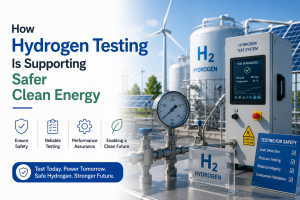
Hydrogen is gaining attention as countries, industries, and energy companies explore cleaner fuels for transport, power, chemicals, refining, heavy industry, and energy storage. However, hydrogen systems require careful testing, inspection, and certification because the gas is highly flammable, difficult to contain, and often handled under high pressure. Safety, quality, and compliance are therefore central to hydrogen development.
According to MarkNtel Advisors, the hydrogen quality assurance outlook states that the hydrogen testing, inspection, and certification market was valued at USD 3.98 billion in 2025 and is projected to grow from USD 5.78 billion in 2026 to USD 16.28 billion by 2032. The study estimates a CAGR of around 18.84% during 2026–2032, supported by testing demand, Asia-Pacific activity, hydrogen storage checks, and safety compliance needs.
Safety Requirements Drive Testing Demand
Testing accounted for around 55% share in 2026, according to the shared study. This reflects the importance of verifying hydrogen purity, material compatibility, leak resistance, pressure performance, equipment reliability, and operational safety before systems are deployed. Testing is needed across production plants, storage tanks, pipelines, refueling stations, fuel cells, and industrial applications.
The U.S. Department of Energy explains through its hydrogen safety guidance that hydrogen has unique properties requiring specific safety practices, which helps explain why testing and inspection are essential across the value chain. As hydrogen projects move from pilots to larger deployments, safety validation becomes even more important.
Asia-Pacific Leads Regional Activity
Asia-Pacific accounted for around 42% share in 2026, making it the leading regional contributor in the shared study. The region’s position is supported by hydrogen strategies, industrial demand, fuel-cell mobility programs, renewable energy projects, and infrastructure development across countries such as China, Japan, South Korea, India, and Australia.
Hydrogen activity in Asia-Pacific is also linked to manufacturing, refining, chemicals, steel, and transport decarbonization. These applications require strong compliance systems because hydrogen must be produced, transported, stored, and used under controlled conditions. Testing and certification providers help project developers meet technical standards, improve safety confidence, and support cross-border energy trade.
Physical Storage Needs Careful Validation
Physical storage accounted for around 90% of the storage process segment in 2026, according to the report. Hydrogen is commonly stored as compressed gas or liquid hydrogen, both of which require specialized tanks, valves, seals, sensors, and pressure-control systems. Storage failures can create serious safety risks, making inspection and certification essential.
The International Energy Agency’s hydrogen analysis highlights hydrogen’s role in low-emission fuel systems, which is relevant because storage and transport infrastructure must expand safely for wider adoption. Testing helps confirm that tanks, pipelines, and related components can withstand pressure, temperature changes, and long-term operating conditions.
Certification Builds Project Confidence
Certification provides documented assurance that hydrogen equipment, systems, or processes meet applicable standards. This can include certification for pressure vessels, pipelines, electrolyzers, fuel-cell systems, refueling stations, sensors, and safety management processes. For investors, regulators, insurers, and project operators, certification helps reduce uncertainty and supports responsible deployment.
Hydrogen projects often involve multiple stakeholders, including energy companies, equipment suppliers, governments, utilities, and industrial users. Certification creates a common technical reference point, helping these groups assess safety, performance, and compliance. It also supports procurement decisions because buyers can compare certified products and systems more confidently.
Inspection Supports Operational Reliability
Inspection is important after hydrogen systems are installed and operating. Regular checks can identify corrosion, material fatigue, leaks, pressure irregularities, sensor faults, valve issues, and maintenance needs. Since hydrogen molecules are small and can escape through tiny gaps, leak detection and equipment monitoring are critical for safe operations.
Inspection also supports uptime and asset protection. Industrial hydrogen systems may operate continuously, and unexpected failures can disrupt production or create safety incidents. Routine inspection, predictive maintenance, and documentation help operators manage risk while extending equipment life. This is especially important for refineries, chemical plants, power systems, and refueling networks.
Standards Are Central to Hydrogen Scale-Up
Hydrogen infrastructure depends on technical standards that guide safety, performance, testing methods, and system design. Standards help ensure that components from different suppliers can operate safely and that projects meet recognized requirements. They are especially important as hydrogen moves into new applications such as mobility, distributed power, and industrial decarbonization.
The International Organization for Standardization’s hydrogen technologies committee develops standards related to hydrogen systems, which supports global consistency in testing, equipment design, and safety practices. Such frameworks help manufacturers, regulators, and certification bodies align technical expectations as hydrogen projects expand.
Clean Hydrogen Creates New Compliance Needs
Clean hydrogen production through electrolysis, renewable power integration, and low-carbon industrial processes is creating new testing and certification requirements. Project developers may need to verify emissions intensity, production quality, energy sourcing, equipment safety, and compliance with emerging clean hydrogen standards. This increases the role of independent assurance providers.
As hydrogen becomes part of climate and energy strategies, quality assurance must cover both safety and sustainability claims. Certification can help confirm whether hydrogen meets defined clean fuel criteria, while testing ensures that equipment performs as intended. These functions are likely to become more important as public funding, carbon policies, and green procurement expand.
Competition Reflects Technical Expertise
The shared study notes that the top five players account for around 26% share, indicating a competitive environment involving global TIC providers, engineering firms, certification bodies, and specialized laboratories. Buyers often evaluate providers based on technical capability, accreditation, regional presence, industry experience, turnaround time, and knowledge of hydrogen standards.
Because hydrogen systems involve high safety sensitivity, credibility matters. TIC providers must offer reliable testing methods, trained inspectors, accurate documentation, and recognized certifications. Their role is not only to check compliance but also to support safer project planning, commissioning, and long-term operations.
Outlook for Hydrogen Assurance Services
Hydrogen testing, inspection, and certification demand is being shaped by clean energy investment, safety requirements, Asia-Pacific deployment, physical storage validation, and the need for trusted compliance systems. The report figures indicate strong growth through 2032 as hydrogen infrastructure expands across transport, industry, power, and storage applications.
The long-term direction will depend on how governments, project developers, equipment suppliers, and TIC providers align safety standards, certification pathways, technical testing, and sustainability verification. As hydrogen becomes more integrated into energy systems, independent assurance will remain essential for building safer, more reliable, and more trusted hydrogen infrastructure.
Report Story
Related Stories
-
US-Iran Conflict Flares Again: Gulf Bases Targeted, Ceasefire on the...

-
Skin Barrier Repair: 2026’s Biggest Skincare Trend, Explained Simply

-
Brussels Airport Transfer Service: Your Reliable Gateway to Stress-Free Travel

- How Enterprise CRM Services in India Help Businesses Build Stronger...
-
Who Was Ali Khamenei? The Story of Iran’s Most Powerful...

-
School Run Taxi Services for Safe Daily Student Travel Solutions

- How Application Support and Maintenance Services Help Businesses Reduce Application...
-
Pixel July Update Is Here: 5 Big Android 17 Bugs...

-
India’s Uranium Deal With Australia: What Nuclear Energy Really Means...

-
Rolex Watches in Oman: Luxury Timepieces Guide

Popular Stories
-

US-Iran Conflict Flares Again: Gulf Bases Targeted, Ceasefire on the... nextgengpost.com
-

Skin Barrier Repair: 2026’s Biggest Skincare Trend, Explained Simply nextgengpost.com
-

Brussels Airport Transfer Service: Your Reliable Gateway to Stress-Free Travel
-
How Enterprise CRM Services in India Help Businesses Build Stronger... hyphenxsolutions.com
-

Who Was Ali Khamenei? The Story of Iran’s Most Powerful... nextgengpost.com
Trending Stories
-
US-Iran Conflict Flares Again: Gulf Bases Targeted, Ceasefire on the... nextgengpost.com
-
Skin Barrier Repair: 2026’s Biggest Skincare Trend, Explained Simply nextgengpost.com
-
Brussels Airport Transfer Service: Your Reliable Gateway to Stress-Free Travel
-
How Enterprise CRM Services in India Help Businesses Build Stronger... hyphenxsolutions.com
-
Who Was Ali Khamenei? The Story of Iran’s Most Powerful... nextgengpost.com
Recent Comments