What Causes Lipomas and How Does Lipoma Treatment Help?
A lipoma is one of the most common types of non-cancerous growths that develop beneath the skin. Although they are generally harmless, many people become concerned when they notice a soft lump that seems to grow over time. While some lipomas remain small and never require medical attention, others may become uncomfortable, affect appearance, or interfere with daily activities.
Understanding what causes lipomas and knowing when to seek treatment can help individuals make informed healthcare decisions. Modern medical approaches focus on safe and effective removal when necessary, offering relief from discomfort and improving confidence.
For individuals exploring Lipoma Treatment in Oman, learning about the condition, its causes, symptoms, diagnosis, and available treatment options is the first step toward choosing the most suitable care.
What Is a Lipoma?
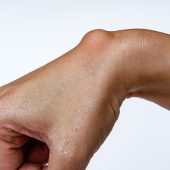
A lipoma is a slow-growing lump made up of fatty tissue that develops just beneath the skin. It usually feels soft to the touch and can often be moved slightly when pressed. Lipomas most commonly appear on the neck, shoulders, back, arms, thighs, or abdomen, although they can develop almost anywhere on the body.
These growths are considered benign, meaning they are not cancerous and rarely become cancerous. Most lipomas grow gradually over several months or years and often cause little to no pain unless they press against nearby nerves or tissues.
Many people have only one lipoma, while others may develop multiple growths throughout their lifetime.
What Causes Lipomas?
The exact cause of lipomas remains unclear, but researchers believe several factors may contribute to their development.
Genetics
Family history is one of the strongest known risk factors. Individuals with close relatives who have lipomas may have a higher chance of developing them. Certain inherited conditions can also lead to multiple lipomas forming across different areas of the body.
Fat Cell Growth
Lipomas develop due to an overgrowth of fat cells. However, unlike ordinary body fat that increases with weight gain, lipomas are localized collections of fatty tissue enclosed within a thin capsule.
Interestingly, losing weight does not usually shrink a lipoma because the fatty tissue within it behaves differently from normal body fat.
Minor Injuries
Some people notice a lipoma appearing after a minor injury or trauma to a particular area. While experts have not confirmed that injuries directly cause lipomas, trauma may trigger the growth of fatty tissue in susceptible individuals.
Age
Lipomas can occur at any age but are most frequently diagnosed in adults between 40 and 60 years old. They are less common in children.
Certain Medical Conditions
Some rare inherited disorders increase the likelihood of developing multiple lipomas. Although uncommon, these conditions support the idea that genetics plays an important role in lipoma formation.
Common Symptoms of Lipomas
Lipomas usually have distinctive characteristics that make them relatively easy to recognize.
Some common symptoms include:
- A soft, rubbery lump beneath the skin
- Slow growth over time
- A round or oval shape
- Easy movement when gently pressed
- Usually painless
- Typically smaller than 5 centimeters, although some can become much larger
Pain may occur if the lipoma presses on nearby nerves, contains blood vessels, or grows in an area where movement causes friction.
Even when painless, some individuals seek treatment because the lump becomes noticeable under clothing or affects their confidence.
When Should Someone Seek Medical Advice?
Although lipomas are generally harmless, it is important to have any new lump evaluated by a qualified healthcare professional.
Medical assessment is especially recommended if the lump:
- Grows rapidly
- Causes pain or tenderness
- Feels hard instead of soft
- Becomes fixed in place
- Changes color or appearance
- Interferes with movement
- Causes cosmetic concerns
Healthcare providers can determine whether the lump is a harmless lipoma or another type of growth requiring further evaluation.
How Are Lipomas Diagnosed?
Diagnosing a lipoma usually begins with a physical examination. The healthcare provider evaluates the size, texture, location, and mobility of the lump.
If the lipoma has unusual features or lies deeper beneath the skin, additional imaging tests may be recommended, such as:
- Ultrasound
- MRI scan
- CT scan
In rare situations where the diagnosis is uncertain, a small tissue sample may be taken for laboratory examination to rule out other conditions.
Most lipomas can be diagnosed without extensive testing.
How Does Lipoma Treatment Help?
Although many lipomas do not require treatment, removal can provide several important benefits depending on the individual’s symptoms and concerns.
Relieves Physical Discomfort
As lipomas enlarge, they may begin pressing against nearby muscles, nerves, or joints. This can lead to discomfort, tenderness, or restricted movement.
Treatment removes the fatty growth, relieving pressure and improving overall comfort.
Improves Appearance
Lipomas that develop on visible areas such as the neck, arms, or forehead can make some people feel self-conscious.
Removing the lump can restore smoother body contours and help improve self-confidence.
Prevents Further Growth
Lipomas tend to grow slowly, but some continue increasing in size over the years.
Early treatment may prevent the lump from becoming significantly larger, making removal easier and reducing the likelihood of discomfort.
Provides Diagnostic Confirmation
Although lipomas are usually harmless, removing the growth allows laboratory examination if needed. This provides reassurance by confirming the diagnosis.
Restores Better Mobility
Large lipomas near joints or muscles may interfere with everyday activities such as walking, exercising, or lifting objects.
Treatment can improve movement by eliminating the obstruction.
Available Treatment Options
The appropriate treatment depends on the size, location, symptoms, and overall health of the patient.
Surgical Removal
Surgical excision remains the most common and effective treatment.
During the procedure, the lipoma and its surrounding capsule are removed through a small incision. Because the capsule is also removed, recurrence at the same location is relatively uncommon.
This option is especially suitable for larger or symptomatic lipomas.
Liposuction
For selected cases, liposuction may be used to remove the fatty tissue through a smaller incision.
This approach may reduce visible scarring but may not completely remove the surrounding capsule, which can increase the possibility of recurrence compared to surgical excision.
Observation
Small, painless lipomas that do not affect appearance or daily activities may simply be monitored over time.
Regular observation allows healthcare providers to ensure that no significant changes occur.
For individuals considering Lipoma Treatment in Oman, healthcare professionals evaluate each case individually before recommending the most appropriate treatment approach.
Recovery After Lipoma Treatment
Recovery is generally straightforward for most patients.
Following treatment, individuals may experience:
- Mild swelling
- Temporary bruising
- Minor discomfort
- Slight tenderness around the treated area
Most people can return to their normal routines within a short period, depending on the size and location of the lipoma and the type of procedure performed.
Following aftercare instructions carefully supports proper healing and reduces the risk of complications.
Can Lipomas Be Prevented?
Because the exact cause remains unknown, there is currently no guaranteed way to prevent lipomas.
However, maintaining overall health through regular exercise, balanced nutrition, and routine medical checkups can support general well-being.
People with a family history of multiple lipomas should monitor any new lumps and seek medical evaluation if changes occur.
Early diagnosis allows appropriate management before the growth becomes larger or symptomatic.
Why Early Evaluation Matters
Many people ignore small lumps because they are painless. While most lipomas remain harmless, not every lump beneath the skin is a lipoma.
Prompt medical assessment ensures an accurate diagnosis and allows healthcare providers to distinguish lipomas from cysts, enlarged lymph nodes, or other soft tissue conditions.
Early evaluation also gives patients more treatment options before the growth becomes larger or more complex.
Individuals interested in Lipoma Treatment in Oman benefit from consulting qualified healthcare professionals who can recommend personalized management based on the characteristics of the lipoma and the patient’s needs.
Conclusion
Lipomas are common benign fatty growths that usually develop slowly beneath the skin. Although they are rarely dangerous, they can sometimes cause discomfort, limit movement, or create cosmetic concerns that affect quality of life.
Understanding the possible causes, recognizing the symptoms, and knowing when to seek medical evaluation are essential steps toward proper management. Modern treatment options are designed to safely remove troublesome lipomas while improving comfort, appearance, and peace of mind.
For those considering Lipoma Treatment in Oman, timely consultation and appropriate treatment planning can help address both medical and cosmetic concerns effectively. Whether a lipoma requires observation or removal, individualized care ensures the best possible outcome.
FAQs
1. What causes lipomas to develop?
Lipomas are believed to develop due to a combination of genetic factors, abnormal fat cell growth, age, and, in some cases, minor injuries. However, the exact cause is still not fully understood.
2. Are lipomas dangerous?
Most lipomas are harmless, non-cancerous growths. They rarely become cancerous, but any new or changing lump should be evaluated by a healthcare professional to confirm the diagnosis.
3. Can a lipoma disappear without treatment?
No. Lipomas typically do not go away on their own. While they may remain the same size for years, they usually require medical removal if they become bothersome or continue growing.
4. Is lipoma treatment permanent?
When a lipoma is completely removed along with its surrounding capsule, it is unlikely to return in the same location. However, individuals prone to developing lipomas may still form new ones elsewhere on the body.
5. When should someone consider Lipoma Treatment in Oman?
Treatment should be considered if a lipoma becomes painful, grows rapidly, affects movement, causes cosmetic concerns, or if there is uncertainty about the diagnosis after medical evaluation.
6. How long does recovery take after lipoma removal?
Recovery varies depending on the size and location of the lipoma, but most individuals return to normal daily activities within a few days to a couple of weeks while following proper aftercare instructions.
Read More About Lipoma Treatment: https://noida-escort-service.mn.co/posts/104001629?utm_source=manual
Report StoryRelated Stories
-
Luxury VIP Transportation for FIFA World Cup 2026

-
Birmingham Airport Chauffeur Service for Stress-Free Family Adventures

- Band Rehearsal Studio Boston MA – The Perfect Space to...
- Independent QA & Software Testing Services | RSK Business Solutions
-
Do All Lipomas Need Lipoma Treatment?
-
Choosing the Right Analytics Model for Your Business

- Education ERP System for K-12 Schools — Franciscan Solutions
- Women Healthcare | Instruments for gynecology | GSTC.com
- Admission Management Software
- Buy Propecia 1mg Tablets for Effective Male Pattern Hair Loss...


Recent Comments