Vredestein Tyres and Car Mileage Calculator: How the Right Car Tyres Improve Fuel Efficiency
Fuel efficiency is one of the most important factors for car owners today. Whether you drive daily in city traffic or take long highway trips, better mileage directly helps you save money and improve overall driving performance. However, many people only focus on fuel quality or engine condition and ignore one key factor, car tyres.
If you’ve ever tracked your fuel usage using a car mileage calculator, you may have noticed that mileage changes over time. One major reason behind this variation is the type, size, and condition of your tyres.
In this detailed guide, you’ll understand how tyre selection and proper maintenance can impact your car’s mileage and overall efficiency.
What is a Car Mileage Calculator and Why It Matters?
A car mileage calculator is a simple tool used to measure how efficiently your car uses fuel. It helps you understand how many kilometers your car travels per liter of fuel.
The basic formula is:
- Distance traveled ÷ Fuel consumed
For example:
- If your car runs 400 km using 25 liters of fuel
- Mileage = 400 ÷ 25 = 16 km/l
Tracking this regularly gives you a clear idea of your car’s performance. It also helps you identify issues early, such as increased fuel consumption due to tyre problems or driving habits.
Regular monitoring allows you to take corrective action before small issues become costly problems.
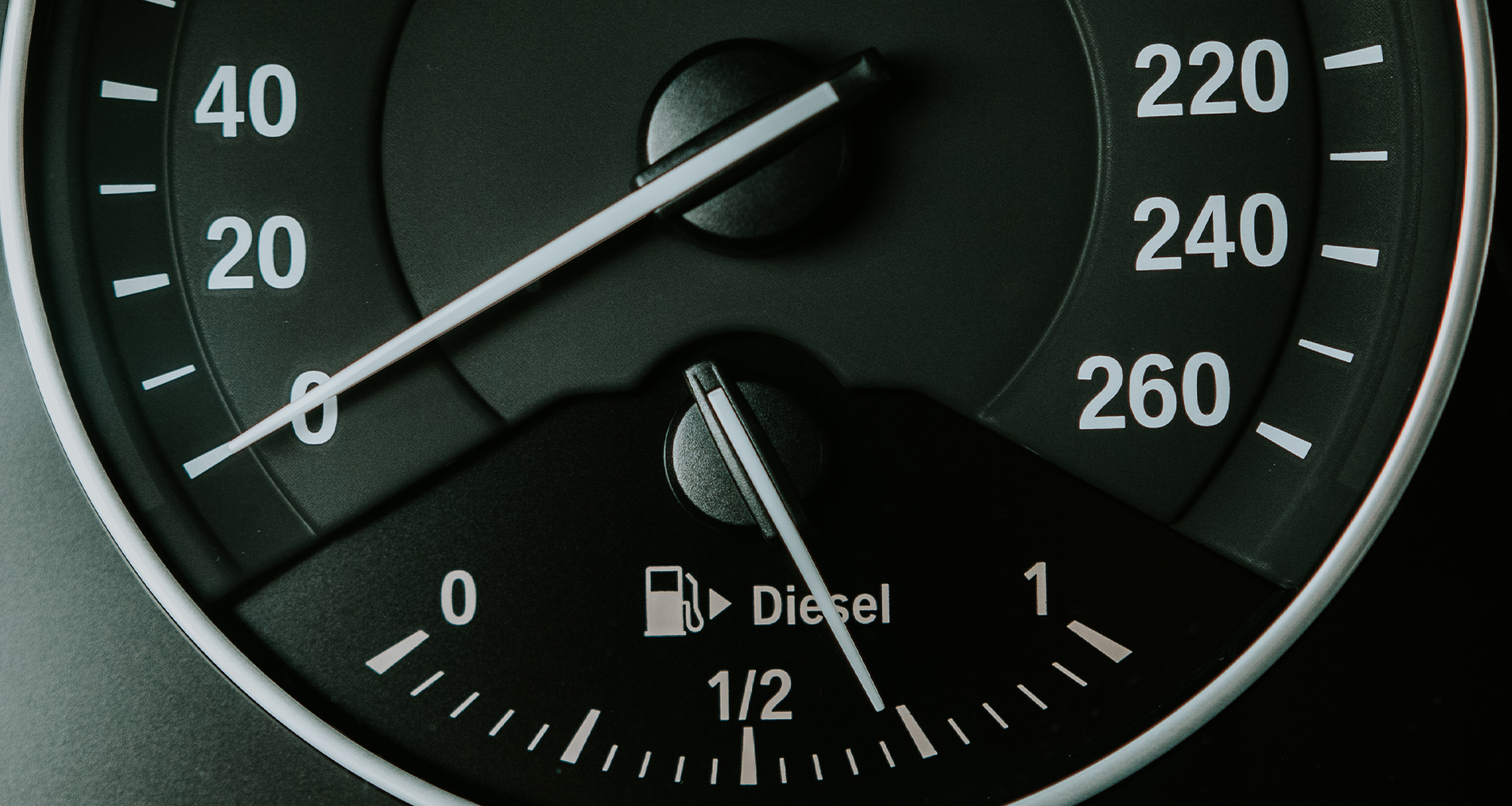
How Car Tyres Directly Affect Mileage
Tyres are not just for movement, they play a key role in how efficiently your car uses fuel. The wrong tyres can increase resistance, reduce efficiency, and ultimately lower your mileage.
Let’s understand the main factors.
1. Rolling Resistance and Fuel Efficiency
Rolling resistance is the force required to keep your tyres moving on the road.
- Lower rolling resistance = less effort for the engine
- Higher rolling resistance = more fuel consumption
Premium tyres like Vredestein are designed with advanced compounds and tread patterns to reduce rolling resistance. This helps improve fuel efficiency without compromising grip or safety.
Even a small reduction in resistance can lead to noticeable fuel savings over time.
2. Importance of Correct Tyre Pressure
Tyre pressure is one of the simplest yet most ignored factors affecting mileage.
- Under-inflated tyres increase friction with the road
- Over-inflated tyres reduce grip and uneven wear
What happens with low pressure:
- Engine works harder
- Fuel consumption increases
- Tyre wear becomes uneven
Best practices:
- Check tyre pressure every 2 weeks
- Follow manufacturer-recommended levels
- Adjust pressure based on load and weather
Maintaining correct tyre pressure can improve mileage by up to 3–5%.
3. Tyre Size and Its Impact
Tyre size has a direct influence on fuel efficiency and performance.
- Wider tyres provide better grip but increase resistance
- Narrower tyres reduce resistance and improve mileage
For example:
- Upsizing tyres for a sporty look may reduce fuel efficiency
- Sticking to standard size ensures balanced performance
A proper tyre size comparison helps you understand how changes affect mileage, comfort, and handling.
4. Tyre Tread and Condition
Tyre condition plays a major role in both safety and efficiency.
- Worn-out tyres reduce grip and performance
- Uneven tread increases resistance
- Damaged tyres affect stability
Signs your tyres need attention:
- Low tread depth
- Cracks or bulges
- Frequent punctures
- Reduced braking performance
Regular inspection helps maintain both mileage and safety.
Choosing the Right Car Tyres for Better Mileage
Selecting the right tyres is just as important as maintaining them.
What to look for in car tyres:
- Low rolling resistance design
- Durable tread for long life
- Balanced grip and comfort
- Suitable for your driving conditions
Tyres designed for efficiency help reduce fuel consumption while maintaining safety and performance.
Brands like Vredestein are known for combining advanced technology with durability, making them a reliable option for drivers looking to improve mileage without compromising on comfort.
Tyre Types and Their Effect on Mileage
Different tyre types are designed for different purposes, and each affects fuel efficiency differently.
Common tyre types:
- Touring Tyres
- Focus on comfort and mileage
- Ideal for daily use
- Lower rolling resistance
- Performance Tyres
- Better grip and handling
- Slightly lower mileage
- Suitable for high-speed driving
- All-Season Tyres
- Balanced performance
- Suitable for most conditions
- Moderate efficiency
For most drivers, touring or all-season tyres are the best choice for fuel efficiency.
Practical Tips to Improve Mileage Through Tyres
If you want better results from your car mileage calculator, these simple tips can help:
Maintain Proper Tyre Pressure
- Check regularly
- Avoid underinflation
Avoid Unnecessary Tyre Upsizing
- Stick to recommended size
- Avoid wider tyres unless needed
Rotate Tyres Regularly
- Ensures even wear
- Improves efficiency
Get Wheel Alignment Done
- Reduces resistance
- Improves handling
Drive Smoothly
- Avoid sudden braking and acceleration
- Reduces tyre stress and fuel consumption
Consistency in these habits leads to long-term savings.
When Should You Recalculate Your Mileage?
Monitoring your mileage regularly helps you track performance changes.
You should check mileage:
- After installing new tyres
- After long-distance travel
- When fuel consumption increases
- After servicing or alignment
A drop in mileage often indicates tyre or maintenance issues.
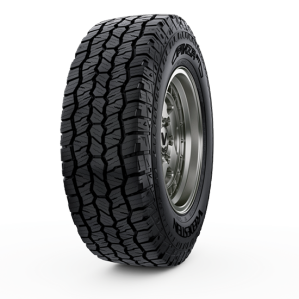
Common Tyre Mistakes That Reduce Mileage
Many drivers unknowingly reduce their fuel efficiency due to simple mistakes.
- Driving with low tyre pressure
- Ignoring tyre wear
- Using incorrect tyre size
- Skipping alignment and balancing
- Choosing low-quality tyres
Avoiding these mistakes can instantly improve your mileage.
Conclusion
Improving your car’s fuel efficiency is not just about fuel quality or driving habits, it also depends heavily on your tyres. Understanding how car tyres impact performance and using a car mileage calculator regularly can help you track and improve your results.
Choosing the right tyre size, maintaining proper pressure, and investing in high-quality tyres like Vredestein can significantly improve mileage and overall driving comfort.
In the long run, the right tyres don’t just save fuel, they enhance safety, extend tyre life, and make every drive smoother and more reliable.
Report StoryRelated Stories
-
Build Your Brand Strategy with a Consultant You Can Trust

- 2 BHK Flat For Sale In Bhubaneswar
-
Digital Marketing Company In Navi Mumbai: Helping Businesses Grow Online

-
Spain’s Hidden Small Cities: Discover Authentic Charm Beyond the Famous...

- ENT Specialist Hospital in Delhi: Advanced Care for Ear, Nose...
-
Looking for the Best Dentist in Gurgaon? Here’s Why Location...

-
Authorised Furnace Fire Bricks Dealer and Supplier in Faridabad
-
GH Pulsatility Research Peptide: Research Applications Explained

- Best Liver Hospital in Delhi: Advanced Care for Liver &...
- What Are the Most Common Neurological Disorders in Adults?
Popular Stories
Trending Stories
-

Build Your Brand Strategy with a Consultant You Can Trust
-
2 BHK Flat For Sale In Bhubaneswar motwaniconstructions.com
-

How to Use Velki Official Platform for Safe Betting?
-

Digital Marketing Company In Navi Mumbai: Helping Businesses Grow Online
-

Spain’s Hidden Small Cities: Discover Authentic Charm Beyond the Famous...
Recent Comments